
Fables
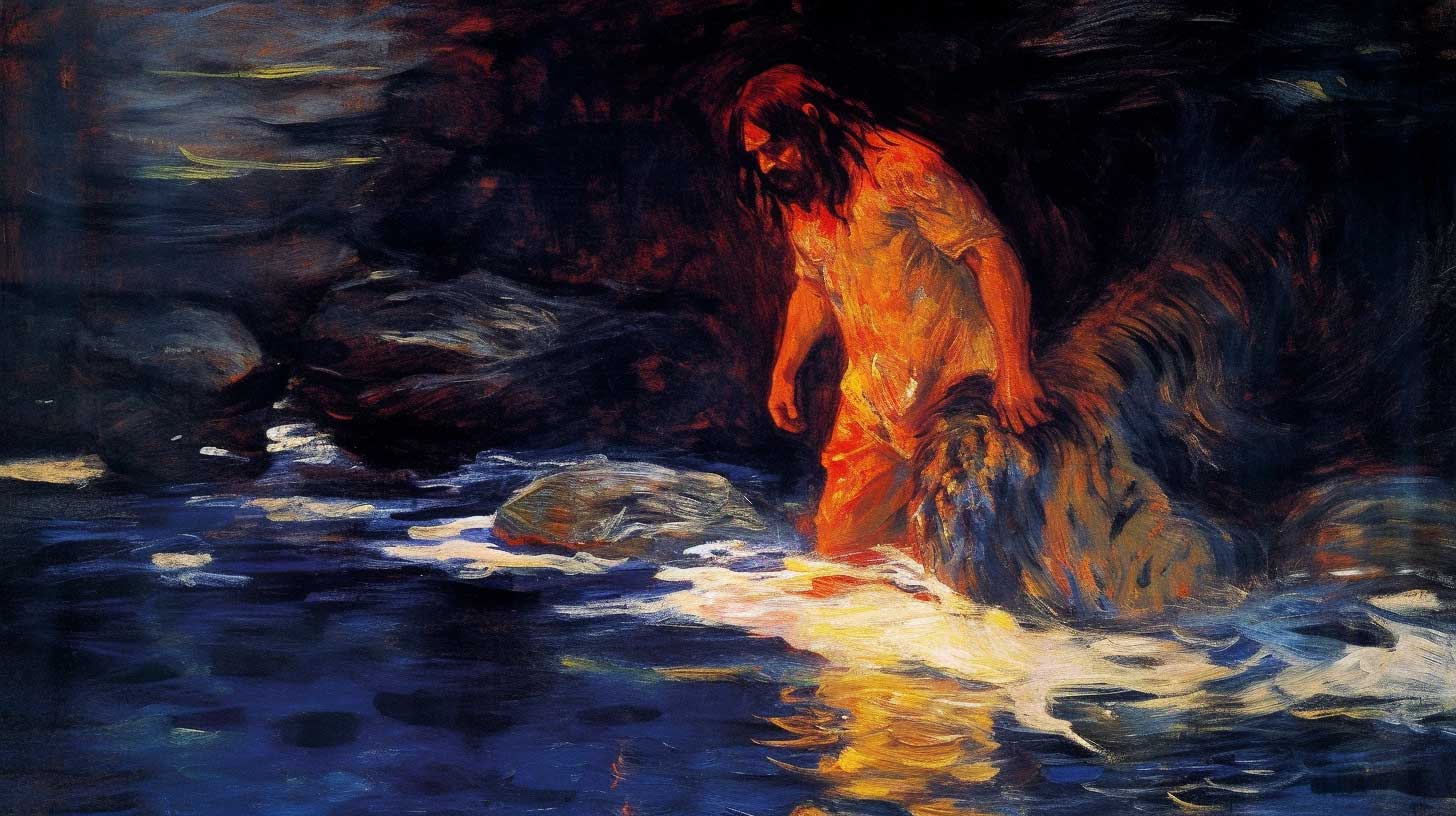
The Yabebiri River Crossing (Uruguayan Fable)
The Yabebiri River Crossing (El Paso del Yabebirí) is a fable about a man, a tiger, and the vicious creatures who live at the bottom of the river, hidden in the mud. It was originally published in 1918 as part of Tales from the Jungle (Cuentos de la Selva), a collection of short stories written by Uruguayan author Horacio Quiroga. This version of the story was written by Juan Artola Miranda.
Full Story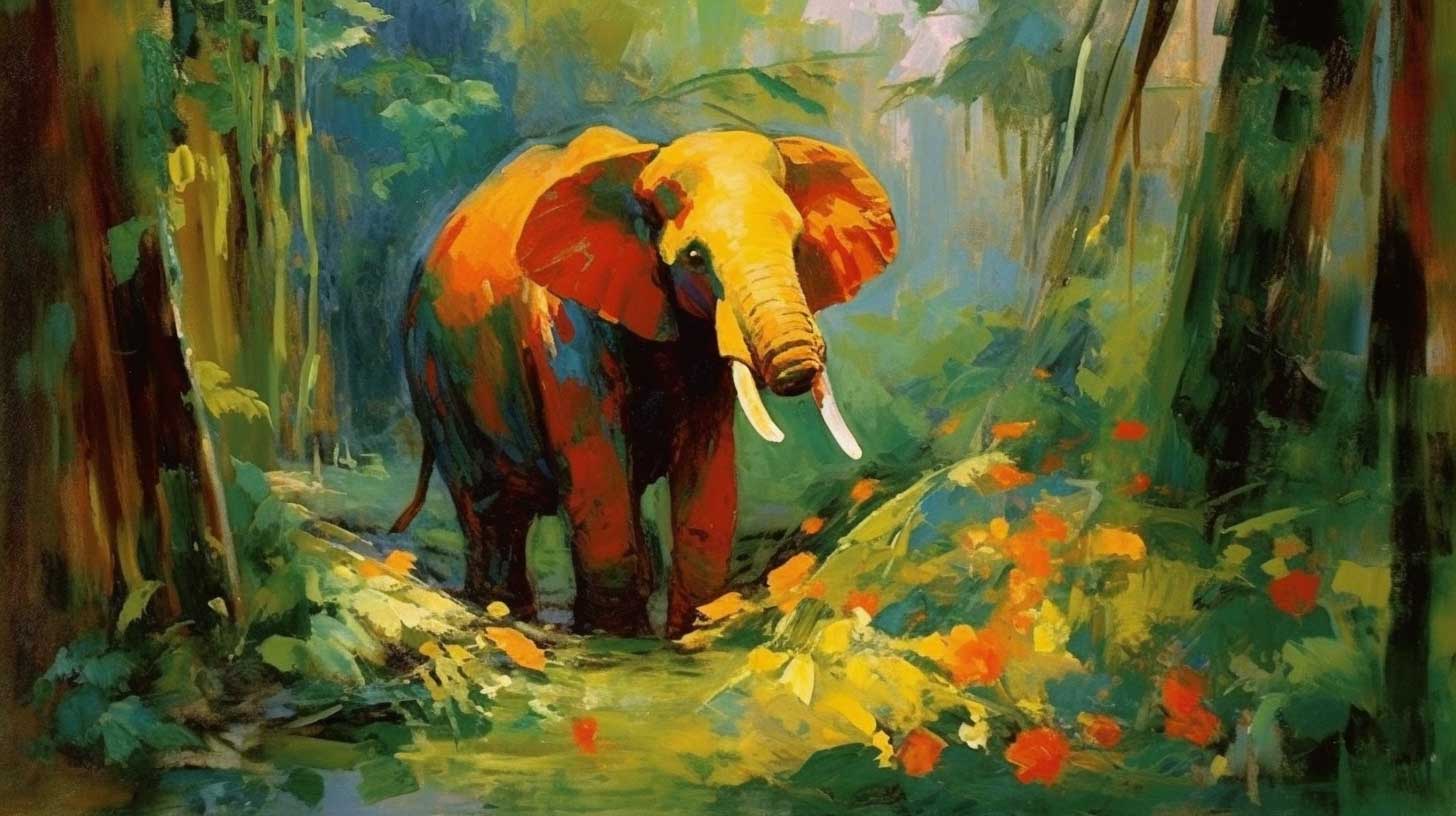
How the Elephant Got His Trunk (Rudyard Kipling)
Rudyard Kipling was a British-Indian author born in Bombay in 1865. Along with The Jungle Book, he’s also famous for writing “Just So Stories,” including the tale of How the Elephant Got His Trunk, also known as The Elephant’s Child. This version was written by Juan Artola Miranda, shortly before his disgrace.

In a time when the world was young and the sky touched the ground, there lived a group of elephants. Among them was a young elephant with an obnoxious curiosity.
“Why does the leopard have spots?”
“Why does the camel have a hump?
“What does the crocodile eat for dinner?”
This was back when elephants were frail, useless creatures with short noses who spent their days struggling to find enough food to feed their massive frames. They were perpetually hungry and thus forever grumpy. This young elephant’s ceaseless curiosity bothered all of them. And so, instead of answering his questions, the older elephants would wack him with their tails, give him disapproving grunts, and send him on his way.
One day, in his quest for answers, the Young Elephant encountered the Kolokolo bird, a creature not known for its vast knowledge. The bird advised him, “Go to the great green river and ask your question to the crocodile. He has lived many moons and surely knows what he eats for dinner.”
Finding no flaw in the bird’s advice, the Young Elephant journeyed to the great green river. There, he found the crocodile sunning himself on the bank. Gathering his courage, he approached the crocodile and asked his burning question, “What do you eat for dinner?”
The crocodile, with a sly grin, replied, “Come closer, and I’ll show you.” As the Elephant’s Child leaned in to see, the crocodile clamped onto his short trunk and began to pull.
A tug of war ensued, the crocodile pulling the Elephant toward the water and the Elephant pulling back with all his might. The struggle went on until, with a final mighty tug from the crocodile, the Elephant’s short nose stretched out into a long trunk.
Though it hurt terribly, the Young Elephant managed to escape from the crocodile’s grasp and flee back to his family. There, he discovered that his new long trunk was incredibly useful. He could reach the topmost branches of the trees, pluck the juiciest fruits, and scoop up the tastiest roots. For the first time, he was able to eat his fill.
Upon his return, the other elephants were amazed by the Elephant’s Child’s transformation and the usefulness of his new trunk. Seeing their interest, the Elephant’s Child proposed a game of tug and war, promising that it would help stretch their short noses into long, useful trunks, just like his.
And so, the elephants began to play tug and war, each taking turns to pull each other’s noses. Slowly but surely, their noses stretched, becoming long and flexible trunks. This new ability to gather more food, combined with the strength they gained from their games, transformed the elephants. No longer were they frail and unsightly, but robust and formidable, commanding respect from all the other animals.
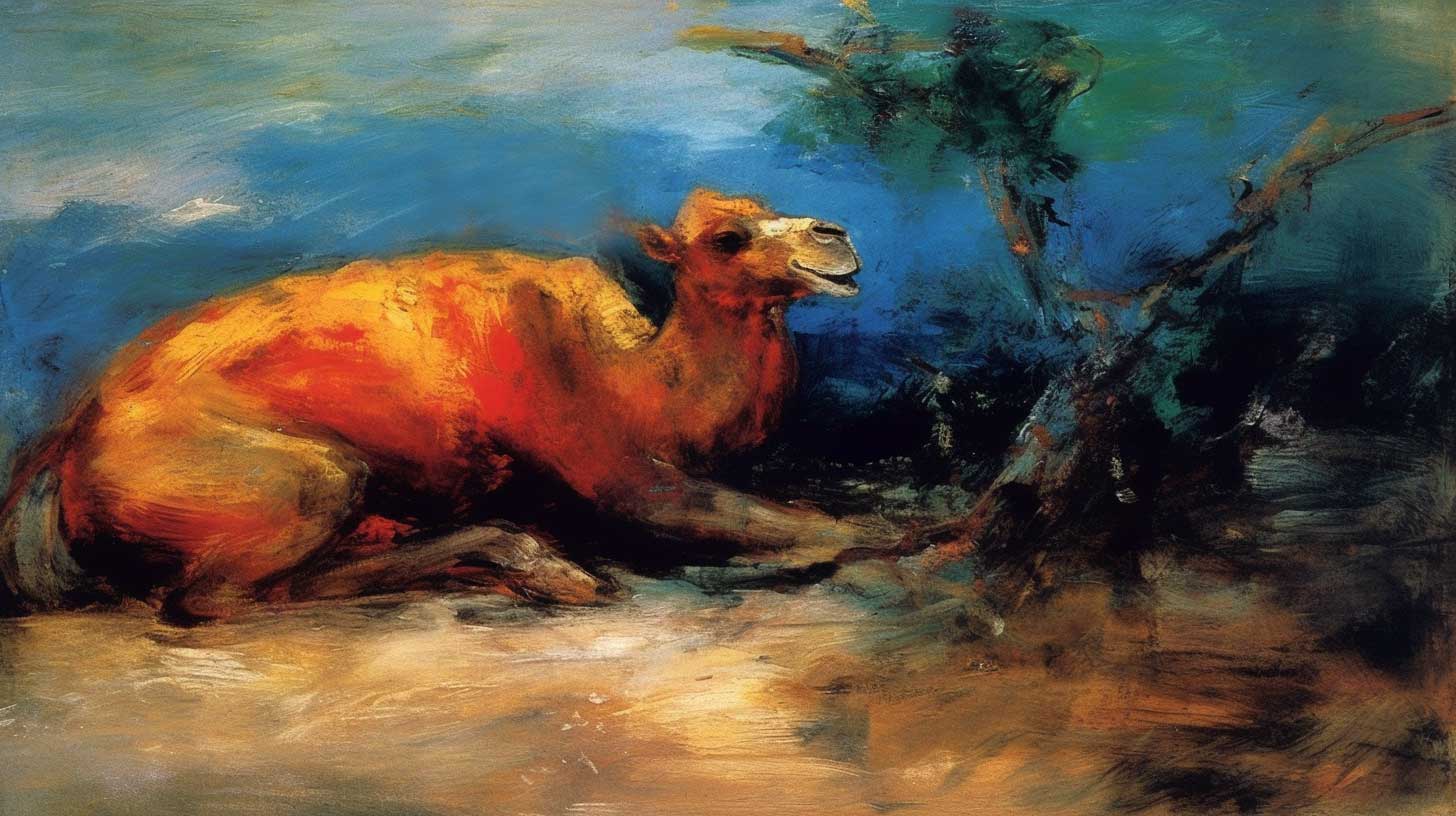
How the Camel Got His Hump (Rudyard Kipling)
Rudyard Kipling was a British-Indian author born in Bombay in 1865, back when it was a British colony. He’s best known for writing The Jungle Book and his “Just So Stories,” including the tale of How the Camel Got His Hump. This version was written by Juan Artola Miranda, shortly before his disgrace.

In the same early world where the Leopard gained his spots, there lived a Camel, who was known for his laziness. This Camel, unlike the other animals, had no hump and was as smooth as the dunes of the desert. All the animals worked hard under the scorching sun, but not the Camel. When asked to help, the Camel would only say, “Humph!” and continue to laze about, eyes half-closed in contentment.
One by one, the animals of the desert came to the Camel, each with a request. The Horse, tall and strong, asked the Camel to help carry a heavy load. “Humph!” replied the Camel, not moving from his spot. The Jackal, loyal and dutiful, requested the Camel’s aid in digging a well. “Humph!” was all the Camel had to say. And the Ox, patient and persistent, implored the Camel to help till the hard soil. Again, the Camel simply retorted, “Humph!” and continued nibbling on thorns and prickles.
The animals, tired and frustrated, took their complaint to the Man who was their master. To their dismay, the Man shared their trouble—the Camel had been no help to him either. And so, he asked the Horse, the Jackal, and the Ox to take on the tasks that had been intended for the Camel.
As if in answer to their indignation, a sandstorm began to brew in the heart of the desert. The wind howled, and the sand swirled, obscuring the sun and blanketing the land in a golden haze. And still the camel did not move.
A Djinn coalesced in the swirling sand, furious at having his path barred. With a voice as deep as the desert itself, he bellowed, “Move aside at once!”
To which the camel, of course, replied, “Humph!”
The Djinn was livid. “Since you say ‘Humph!’ to your duties, you shall now carry one upon your back.” And with a flick of his wrist, a large hump sprouted on the Camel’s back.
From that day forward, the Camel was forced to work. His new hump, however, was even more of a burden than he had imagined. It allowed him to store food and water, enabling him to work for longer periods without needing to stop to eat or drink. This way, the Camel could make up for all the work he had missed.
That reminds me of the story of How the Elephant Got His Trunk.
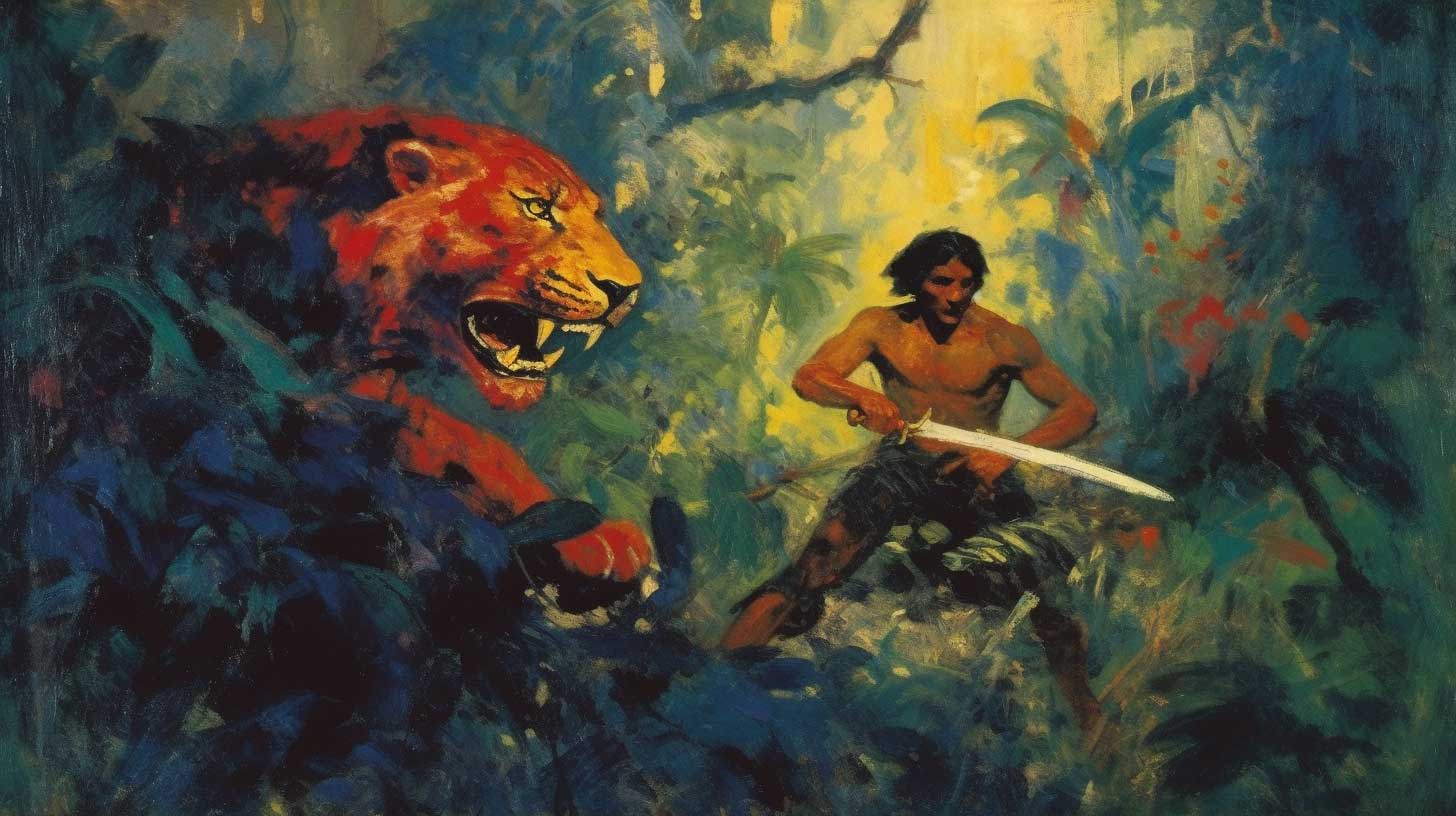
How the Leopard Got His Spots (Rudyard Kipling)
Rudyard Kipling was a British-Indian author born in Bombay in 1865, back when it was a British colony. He’s best known for writing The Jungle Book and the “Just So Stories,” which includes the tale of How the Leopard Got His Spots, published in 1902. This version was written by Juan Artola Miranda, shortly before his disgrace.
In a time when the world was new, there lived a leopard as sleek and yellow as the golden sands of the African plains. This leopard, though large, was hardly seen by the other animals, for he blended in with everything around him.
The Leopard was known for his mischievous nature, hiding in the tall grasses, awaiting the unsuspecting Zebra and Giraffe, who, I should note, were both as plain as the leopard, with no stripes or spots or feathers of any kind. When they would walk past the leopard, he would pounce upon them, scaring them out of their wits and filling their hearts with dread.
Tired of the Leopard’s games, Zebra and Giraffe ran away to seek refuge in the Black Jungle, a place filled with lush vegetation and vibrant flowers, where a yellow leopard would be easier to spot. As they hid there in the jungle, quiet and still, the giraffe gained a dappled pattern from the light filtering down from the canopy high above. The zebra, standing hidden among the palm fronds, was patterned with their stripes.
Meanwhile, the leopard wallowed in the plains, unsure of what to do with himself and growing rather hungry. Turning to his friend Ebo, the Ethiopian, who was as sandy yellow as himself, he asked, “Do you know where the grass-eaters could have gone?”
Ebo didn’t know, but he was growing hungry, too. He agreed to accompany the Leopard on a journey to find their lost companions. Their search brought them to the unfamiliar surroundings of the Black Jungle, where their sandy fur and golden skin shone like torches in the darkness.
“I can smell Zebra,” muttered the Leopard, his eyes scanning the surroundings, “but I see him not.” Ebo, sniffing the air, nodded in agreement. “And I can smell Giraffe but see him not either.”
Following their noses, the Leopard found something stripy, and Ebo felt something patchy, neither of which resembled their friends at all. But to their astonishment, the stripy thing was Zebra, and the patchy thing was Giraffe!
Zebra and Giraffe took off at once, of course, blending back into their surroundings. Now it was Leopard who was the fool, and he did not like it. “I am too easy to spot here,” he told the Ethiopian.
With those words, an idea formed in Ebo’s mind—if the animals could change their surroundings, why not change themselves to match?
“You are just easy enough to spot,” Ebo said. He took some mud from the ground and used it to paint Leopard with beautiful, rosette-shaped spots that mirrored the dappled sunlight filtering through the canopy above. Then Ebo painted himself the colour of darkness, so he would blend in with the shadows and the night.
Thus, the two friends ventured into the dark, speckled shadows, where they learned to use their camouflage for more than just mischief, becoming two of the most skilled hunters in the jungle.
Which reminds me. Have you heard of How the Camel Got His Hump?
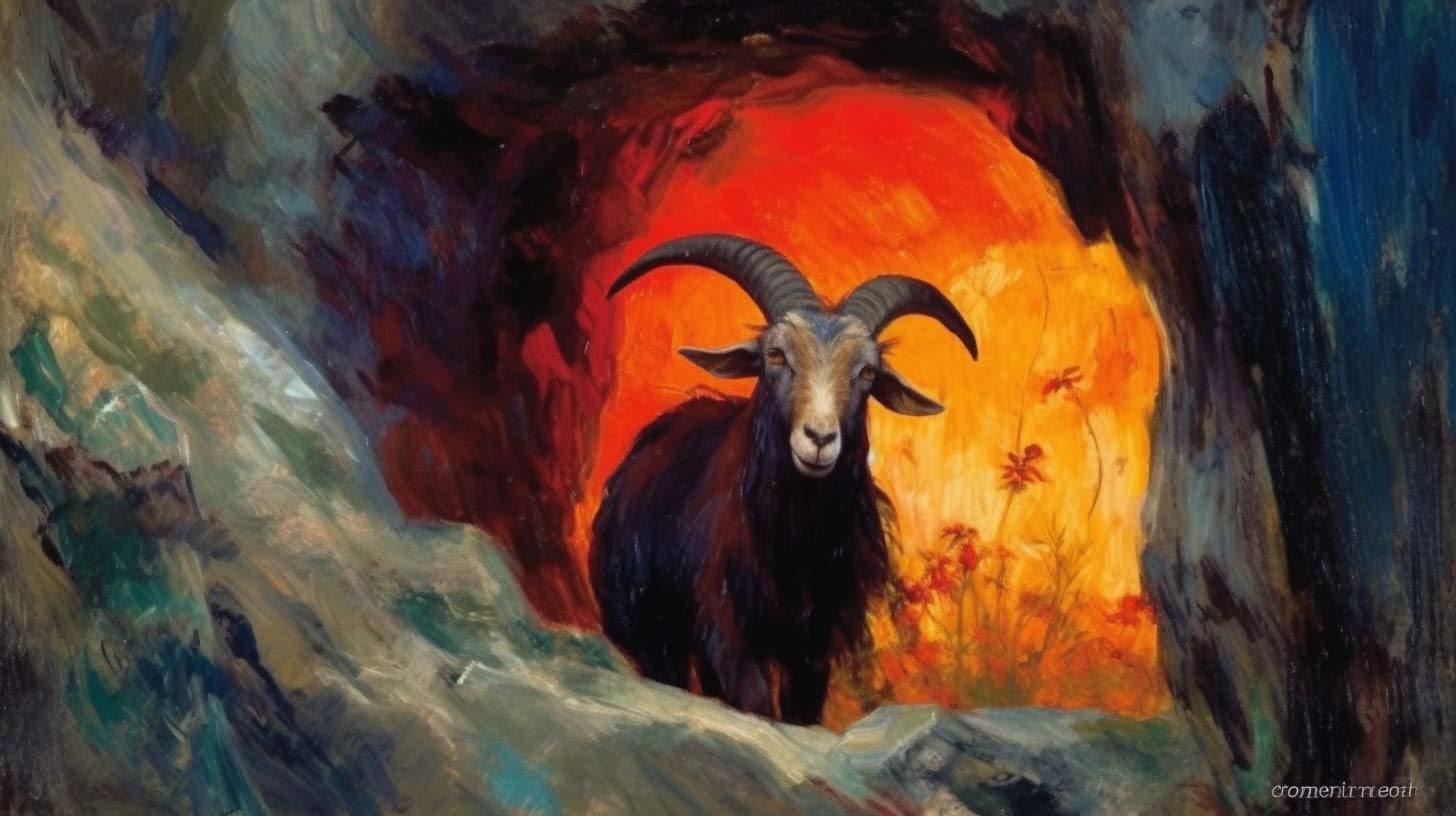
The Fox & the Billy Goat (Aesop’s Fables)
The Fox and the Billy Goat is one of Aesop’s fables. This version was written by Juan Artola Miranda, shortly before his great disgrace.
Once upon a time, in a lush green forest, a cunning fox found itself trapped in a deep well. As it looked for a way to escape, a thirsty billy goat happened to wander by and, peering into the well, saw the fox.
“Good day, friend fox,” called the billy goat. “How is the water down there? I am quite thirsty and wonder if I should join you.”
The sly fox replied, “Ah, dear billy goat! The water is the most refreshing I’ve ever tasted, and there’s plenty to drink! Come on down and quench your thirst.”
Enticed by the fox’s words, the billy goat jumped into the well. Once it had drunk its fill, it realized it, too, was now trapped, with no way to climb back out.
“Friend fox,” said the billy goat, “how do we get out of this well?”
The cunning fox replied, “Fear not, my friend, for I have a plan. If you stand against the wall and raise your head, I can climb upon your strong back and horns, and then leap out of the well. Once I am out, I promise to help you escape as well.”
The trusting billy goat agreed and positioned itself against the wall. The fox wasted no time, clambered onto the billy goat’s back, and with a swift leap, escaped the well. Now free, the fox left.
This brings us to one of my favourite fables, one about an envious neighbour.

The Myth of Aesop & His Fables
Almost three thousand years ago, in the land of Samos, there lived a respected philosopher named Xanthus. He had a slave, as was common then, but this slave was not a common man. He had a hunched back, a large nose, and an unusual talent for telling stories.
One day, Xanthus was invited to a banquet held by another wealthy man from Samos. Xanthus sought to impress his host, so he asked his clever slave to devise some witty riddles for him to use at the banquet.
His slave, Aesop, gladly provided Xanthus with many riddles. At the banquet, Xanthus posed the riddles to the guests, none of whom could figure out the answers. They started asking Xanthus for help, but Aesop hadn’t given him the answers. Realizing that his master was in trouble, Aesop stepped forward and solved the riddles himself, astonishing the guests with his intelligence.
The wealthy host was so impressed by Aesop’s abilities that he bought and freed him. Aesop then travelled the world, recounting clever fables and advising kings. Then, one day, he recounted such a controversial tale that he was put to death.
Or so the story goes.
Read More
The Milkmaid & Her Pail (Aesop’s Fables)
The Milkmaid and her Pail is one of Aesop’s most timeless fables. Aesop lived some 2,600 years ago, and yet it’s more relevant now than ever. Juan Artola Miranda wrote this version.
Once upon a time, in a small village nestled between rolling hills, there lived a young milkmaid named Xanthe. Every morning, she would rise with the sun, fetch her wooden pail, and go to the barn to milk the cows. One morning, after milking the cows, Xanthe filled her pail to the brim with the day’s fresh milk.
As Xanthe began her walk to the market, she balanced the pail on her head and started to daydream. “This milk will fetch a good price at the market,” she thought. “With the money, I could buy a dozen eggs. Those eggs will feed my tired muscles, allowing me to carry two pails of milk to the market, doubling my profit.”
Her mind began to wander further. “With that money, I could buy a new dress, the one I saw at the market last week. Everyone in the village will admire it, and the miller’s son might even notice me. Will he find me comely with my burgeoning muscles?”
Lost in her dreams, Xanthe began to strut and toss her head, imagining herself in her new dress, catching the eye of the miller’s son. But as she tossed her head, the pail of milk toppled from it, spilling all the milk onto the ground.
This reminds me of another story, a fable of a thirsty crow who finds a pitcher full of water.
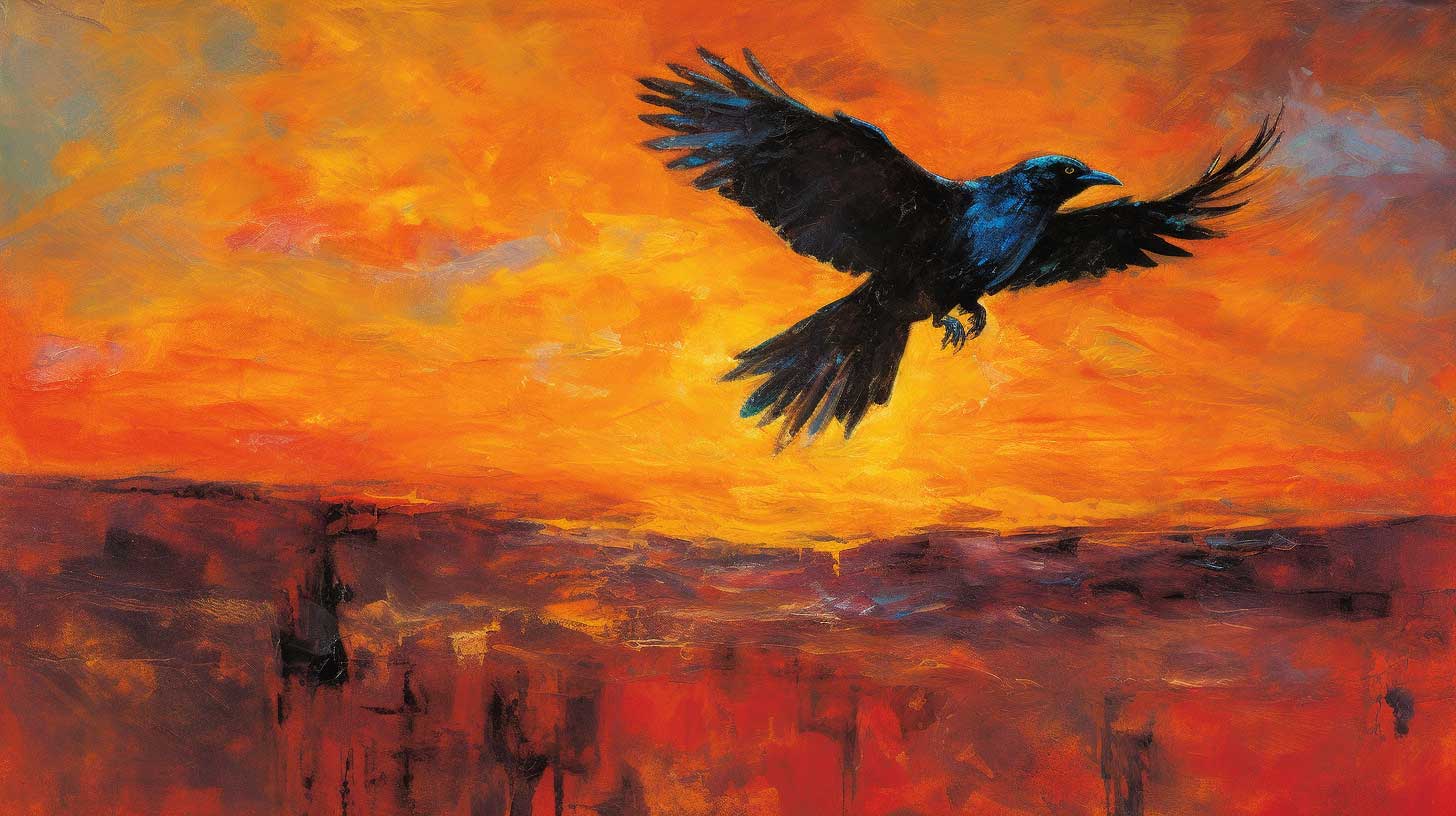
The Crow & the Pitcher (Aesop’s Fables)
The Crow and the Pitcher is one of Aesop’s most famous fables. It’s about encountering a difficult situation and finding a way through it.
In the heart of a scorching summer, under the relentless sun, a thirsty crow flew from place to place in desperate search of water. The land was dry and barren, and there seemed to be no relief in sight.
Finally, after hours of fruitless searching, the crow saw a small glimmer of hope. There, in the distance, half-buried in the parched earth, was a tall, narrow pitcher half full of dusky rainwater. With a caw of relief, the crow swooped down to the pitcher, eager to quench its thirst.
But alas, when the crow tried to sip from the pitcher, its heart sank. The water was at the very bottom, far beyond the reach of its beak. The crow tried to push its head into the pitcher, but the neck of the pitcher was too narrow.
The crow could have flown away, given up, or let despair distract it. But it did none of these things. Instead, it took a moment to think. As it paced back and forth, deep in thought, it noticed the pebbles beneath its feet. An idea sparked in its mind.
The crow picked up one of the pebbles in its beak and dropped it into the pitcher. Then it went back and did it again. And again. And again. Pebble by pebble, the water in the pitcher slowly began to rise.
Finally, after dropping many pebbles into the pitcher, the water rose high enough for the crow to reach. With a triumphant caw, the crow dipped its beak into the water and drank deeply, finally able to quench its thirst.
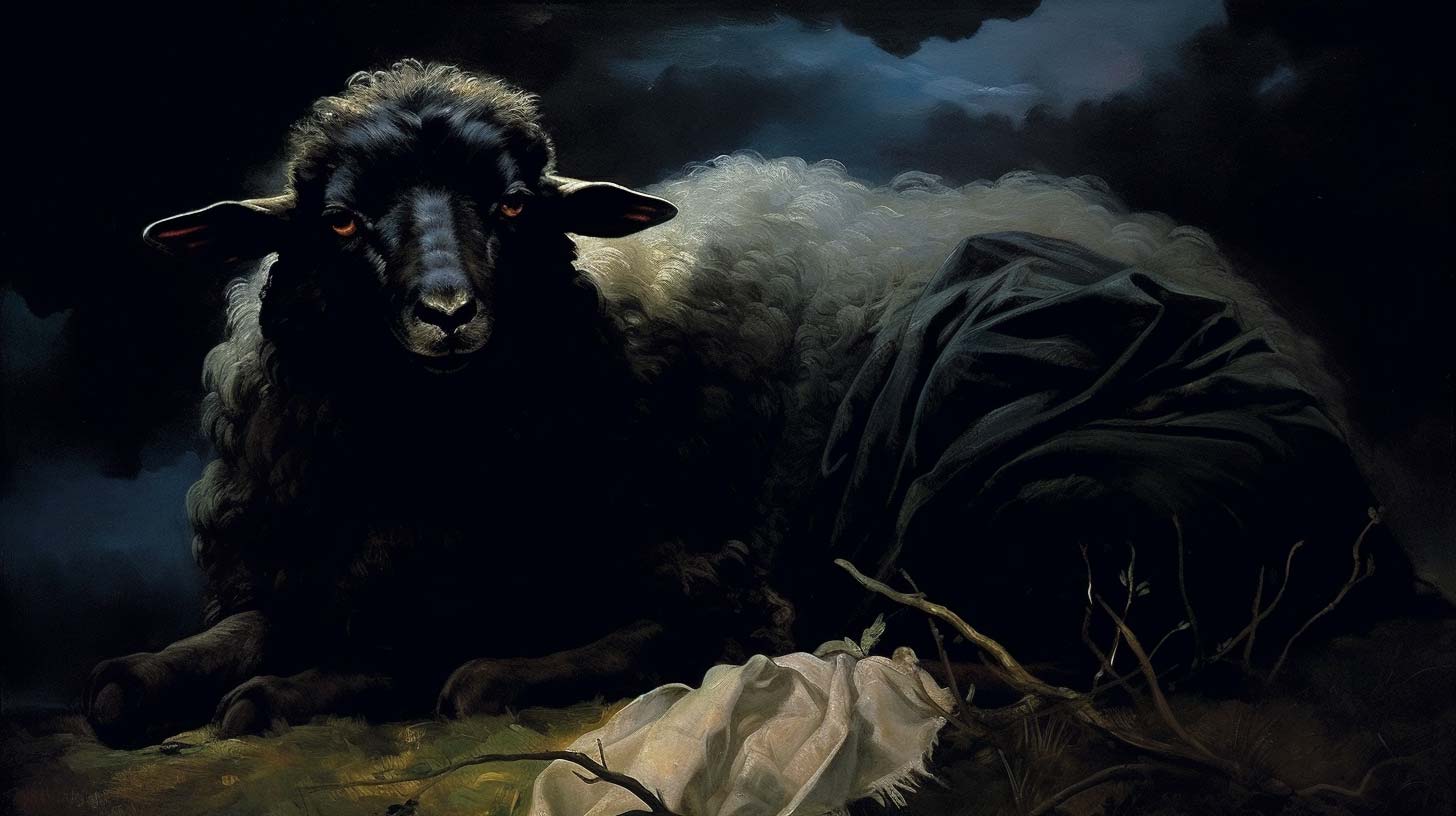
The Black Sheep by Augusto Monterroso (A Latin American Fable)
The Black Sheep (La Oveja Negra) is a fable by Augusto Monterroso (1921-2003), perhaps the most esteemed fabulist of the past century. He’s known for writing short but impactful fables, and this is the most famous of those. I translated it into English.
In a distant country, many years ago, there was a black sheep.
It was executed.
A century later, the repentant flock erected an equestrian statue of it, which looked quite good in the park. Thus, from then on, whenever a black sheep appeared, it was quickly executed so that future generations of ordinary sheep could also practice sculpture.
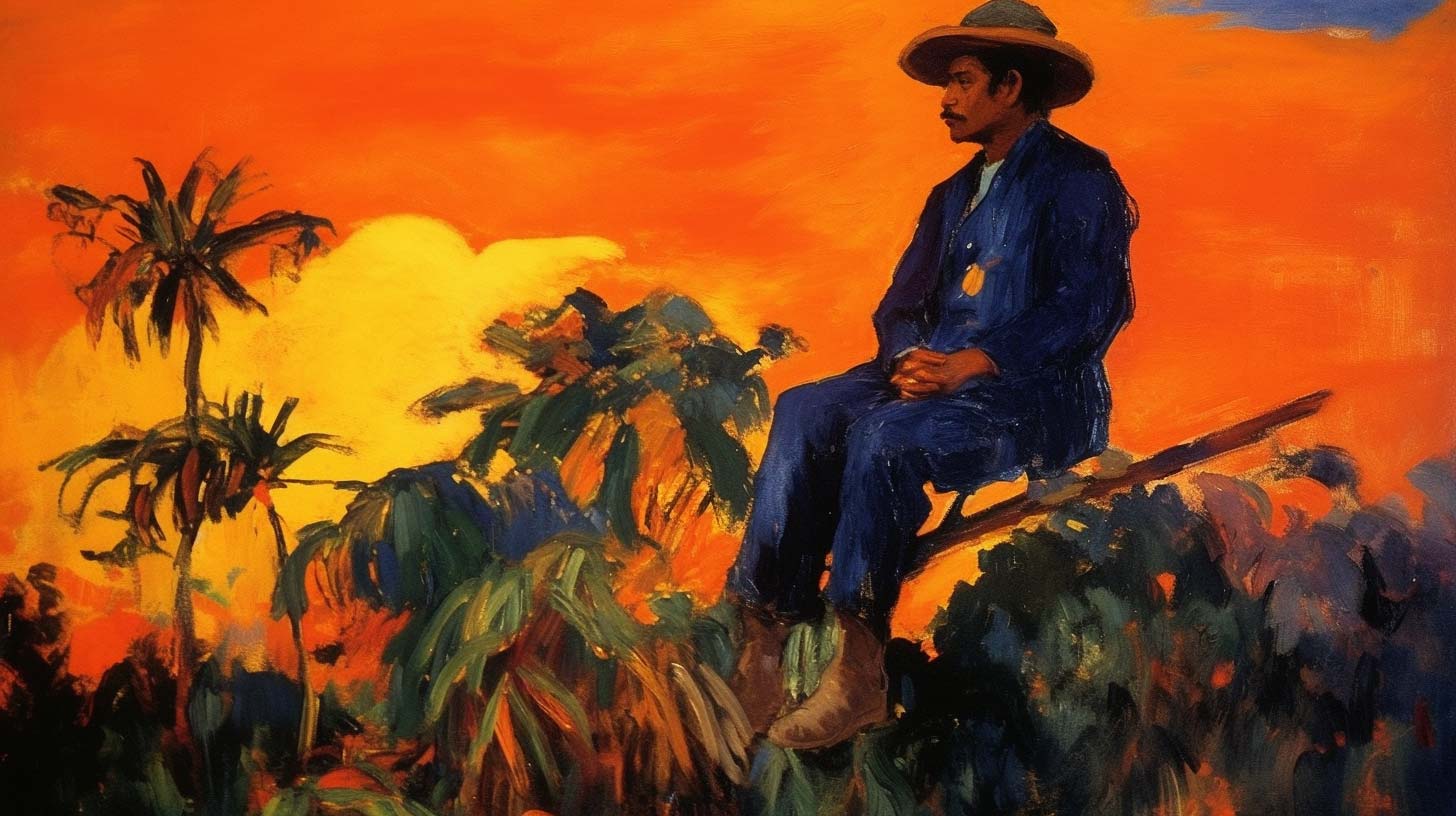
The Rabbit & the Lion (Latin American Fable)
The Rabbit and the Lion (El Conejo y el León) is a fable by Augusto Monterroso (1921-2003), often considered the most important modern fabulist. He lived in Guatemala and Honduras before finally settling in Mexico, where, as so often happens here, he died. This is a translation by Juan Artola Miranda.
One day, a famous psychoanalyst found himself in the middle of the jungle, somewhat lost. Driven by instinct and a desire for investigation, he easily climbed a very tall tree. From there, he could leisurely observe not only the slow setting of the sun but also the life and habits of the animals, comparing them with those of humans.
As evening fell, he saw a Rabbit appear on one side of his tree and a Lion on the other. At first, nothing noteworthy happened, but shortly afterward, both animals sensed each other’s presence and reacted as they had been doing since the dawn of human history.
The Lion roared, shaking the jungle with its powerful voice, and majestically shook its mane, as was its custom. It clawed at the air with its enormous paws. On the other hand, the Rabbit breathed more rapidly, looked for a moment into the Lion’s eyes, turned around, and ran away.
Upon returning to the city, the famous psychoanalyst published his renowned treatise in which he proves that the Lion is the most childish and cowardly animal in the jungle, whereas the Rabbit is the bravest and most mature. The Lion roars, gestures, and threatens the universe out of fear. Meanwhile, the Rabbit notices this, sees no need to demonstrate its own strength, and retreats before losing patience with that extravagant and out-of-control creature.