
Fables

The Fable of the Monkey & the Peas (Leo Tolstoy)
Leo Tolstoy is a renowned Russian writer, most famous for War & Peace and Anna Karenina, which are often used to torture youths. He also wrote a book of fables, in which this one was found. This is a retelling by Juan Artola Miranda.
Once upon a time, in a dense forest, a monkey discovered a handful of peas. Delighted with her find, she sat down to enjoy the delicious treat. As she was eating, she dropped one of the peas on the ground. A dastardly bird flying by noticed the fallen pea and swiftly picked it up in its beak.
The monkey, upon realizing the bird had taken the pea, became enraged. Her anger clouded her judgment, and she decided she could not let the bird get away with this theft. In her fury, the monkey began to throw the remaining peas at the bird, hoping to scare it away or perhaps hit it.
The bird, however, was much too quick for the monkey’s attacks. As the monkey hurled the peas, the bird simply darted around and picked them up, enjoying the unexpected feast. Finally, the monkey had thrown all the peas, leaving herself with nothing.
Note: In Tolstoy’s version, there is no bird. Instead, when the monkey drops a pea, it remains there on the ground, unmolested. However, when the monkey goes to pick up the pea, he drops the others. At that point, the monkey loses his temper, scattering the peas. He leaves in a rage.

The Dog & the Shadow (Aesop’s Fables)
The Dog and its Reflection is one of Aesop’s fables. Although the exact origins and the historical existence of Aesop himself are debated, it is generally believed that he lived between 620 and 564 BCE in Ancient Greece. This is retelling by the disgraced fabulist Juan Artola Miranda.

Once upon a time, in a small village, there lived a dog who had found a large, juicy bone. Proud of his newfound treasure, the dog decided to take it to a safe place to enjoy it without any disturbance.
As the dog trotted along, he came across a narrow bridge over a calm stream. As he crossed the bridge, he looked down and saw what looked to be another dog, staring up at him from just underneath the water. It was his own reflection, of course, but the dog mistook it for another dog holding a large and alluring bone in its mouth.
Driven by greed and the desire to have both bones, the dog couldn’t resist the urge to steal the other dog’s bone away. He growled and snatched at the reflection.
But as soon as the dog opened his mouth to bark, the bone he had been carrying fell from his grasp and plunged into the stream below. The dog watched in despair as the bone was carried away by the current, lost forever.
On the bright side, the other dog had lost its bone as well.
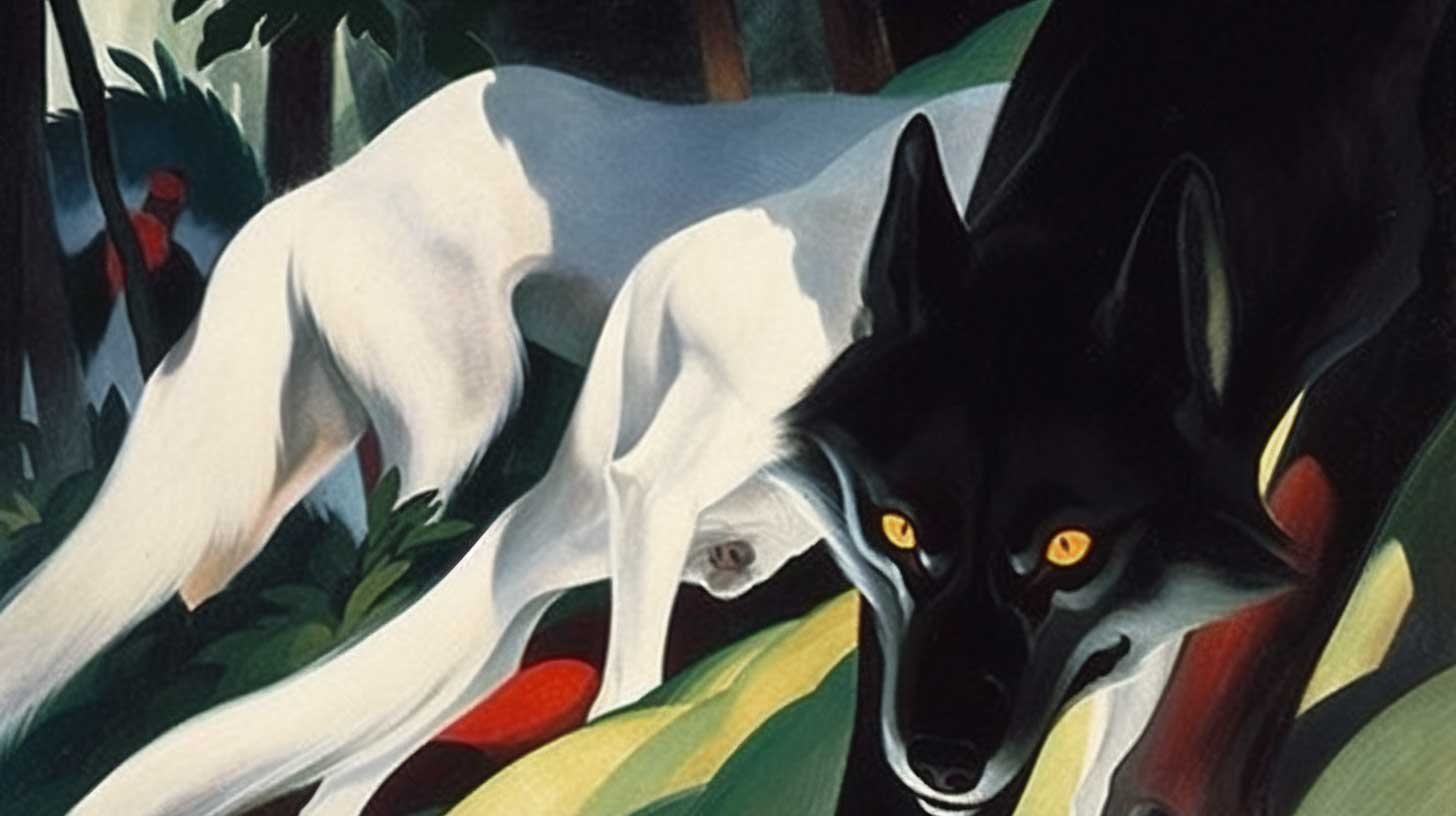
The Two Wolves (Cherokee Fable)
The Two Wolves is a Cherokee fable about how our perspective shapes us as we grow older. This version of the fable was written by the disgraced fabulist Juan Artola Miranda.
In a time long ago, nestled deep within the heart of a vast Cherokee forest, there lived an old, wise elder named who spent his days teaching his grandson the ways of their people. One evening, as they sat around the crackling fire beneath a blanket of stars, the elder shared with the young boy a tale of great significance.
“My child,” began the elder, “within the heart of every person, there rages a fierce battle between two wolves. One wolf embodies love, kindness, empathy, and hope. Its fur is as white as the first snowfall, and its eyes gleam like the morning sun. The other wolf is filled with hatred, envy, anger, and fear. Its fur is as black as the darkest night, and its eyes glint like the embers of a dying fire.”
The elder paused, allowing his words to take root in the boy’s heart. With wide eyes, the grandson asked, “But grandfather, which of these wolves will triumph in the end?”
The elder leaned in closer, his voice soft and gentle, like a breeze rustling through the leaves. “The one you feed.”
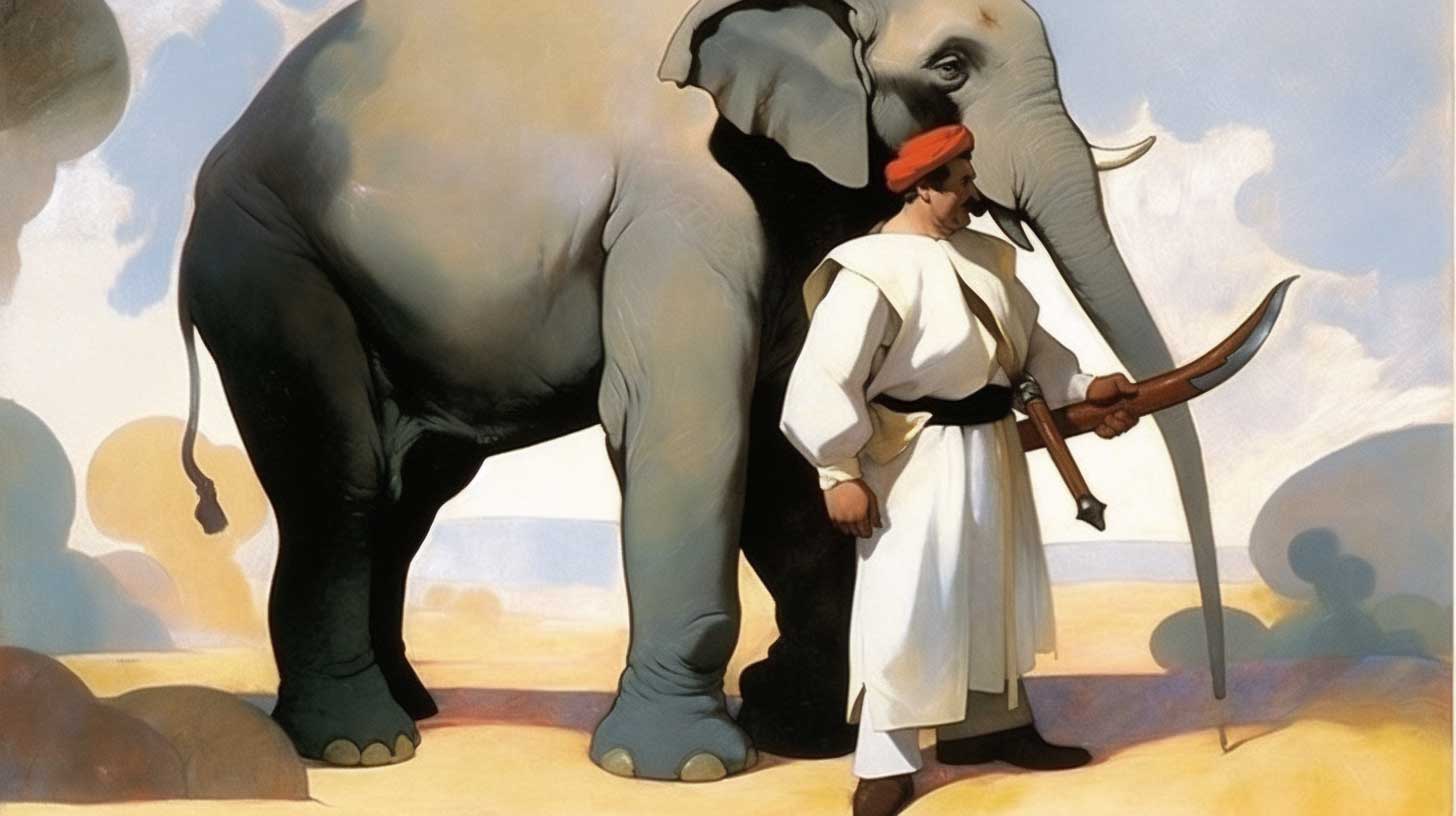
The Elephant & the Rope (Modern Fable)
The Elephant and the Rope is a modern fable by an unknown author. It’s about underestimating your abilities because of past failures. After all, confidence is but a recollection of past successes and failures. This version of the fable is by Juan Artola Miranda.
A long time ago, in a faraway land, there lived a wise man who travelled from village to village, sharing his wisdom and knowledge with those who sought it. One day, while journeying through a remote village, the wise man came across a remarkable sight: a colossal elephant tethered to a small wooden stake by the very thinnest of ropes.
The wise man, intrigued by the sight, approached the elephant’s trainer to inquire about the situation. “Why is this gargantuan beast not breaking free from the rope?” he asked. “Surely, with its immense strength, the elephant could easily snap the rope and roam as it pleases.”
The trainer smiled and replied, “Ah, you see, when the elephant was just a calf, we tied it to a stake with a rope of the same size. At that time, it tried to break free. Many, many times. But it was not strong enough, and it eventually gave up. As the elephant grew, it continued to believe it could not break the rope.”
As he continued his journey, he shared the story of the elephant and the rope with the people he encountered, teaching them about the power of beliefs and how they can limit or empower us.
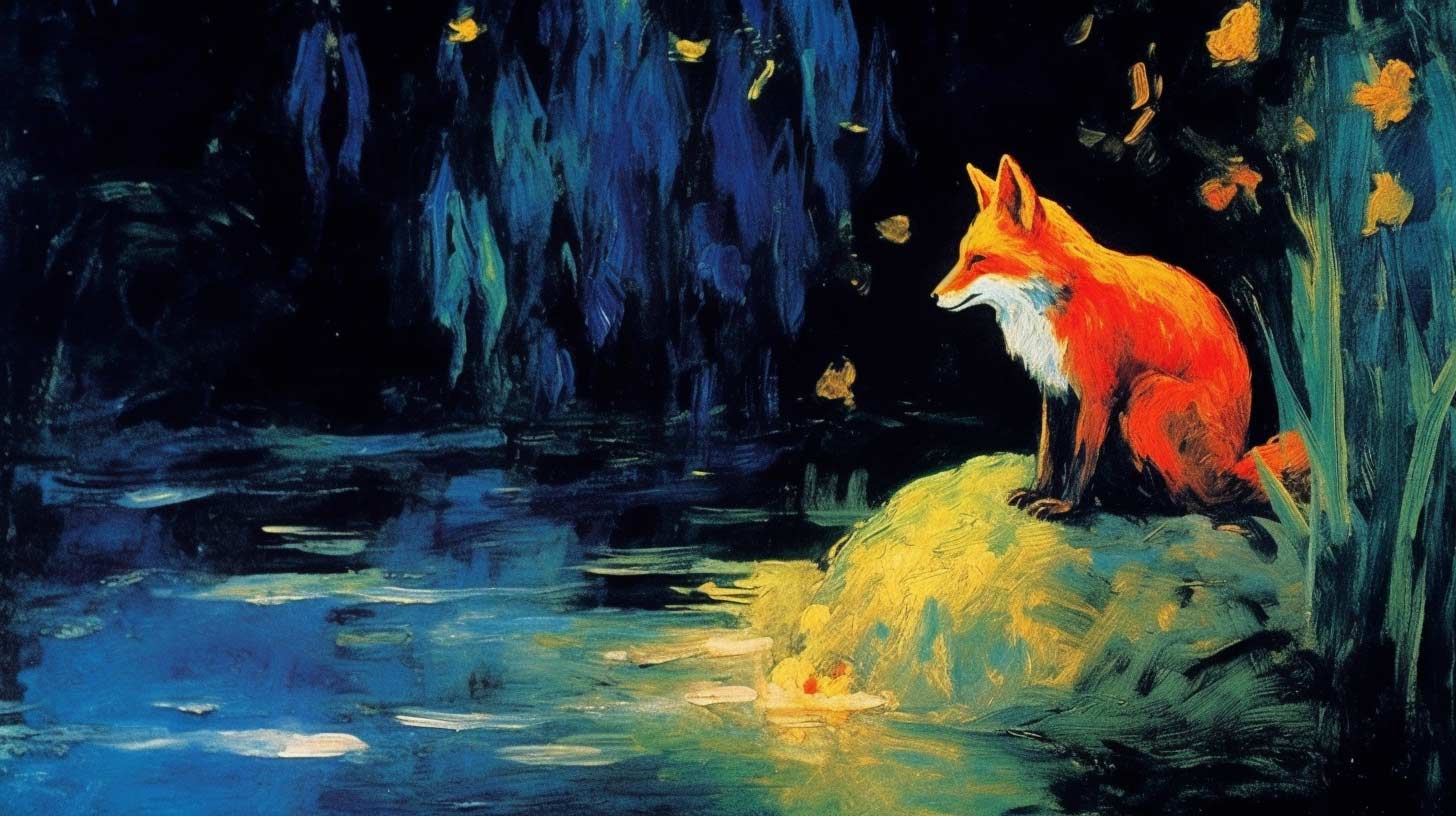
The Fable of the Fox & the Fish (Talmud)
The Parable of the Fox and the Fish (Babylonian Talmud, Berakhot 61b) is one of the more influential fables from the Talmud. It teaches the importance of considering one’s circumstances.
A long time ago, in a lush forest by a clear river, there lived a cunning fox. The fox was known for his wit and charm, and he loved to use these traits to trick the other animals in the forest.
One day, as the fox was wandering along the riverbank, he spotted a school of fish darting through the water. They swam gracefully, their shiny scales glinting in the sun as they moved together in perfect harmony.
The fox, always looking for an opportunity to outsmart others, hatched a plan. He approached the edge of the river and called out to the fish with a friendly tone, “Oh, dear fish, I have come to warn you of great danger lurking in these waters! There are fishermen with nets, eager to catch you and serve you up for their supper.”
The fish listened intently, eyes wide with fear. The fox continued, “But worry not, for I have a solution to keep you safe. Leave the water and join me on the riverbank. Together, we will be free from the fishermen’s grasp.”
The fish could see that the fox was indeed safe from fisherman, as well as all the other predators of the stream. However, they had heard of the fox’s reputation for deceit and trickery. The wisest fish among them spoke up, “Thank you for your concern, dear fox, but we know that you are a cunning creature, and we suspect your intentions may not be as noble as you claim.”
Undeterred, the fox pressed on. “Do not be so foolish!” he exclaimed. “If you remain in the water, you will certainly be caught and eaten. The river is such a dangerous place. Trust me, and come ashore. I assure you, there is safety on dry land.”
The wise fish replied calmly, “You may be able to deceive other animals, but we understand the truth. The land may be safe for you, but not for us.”
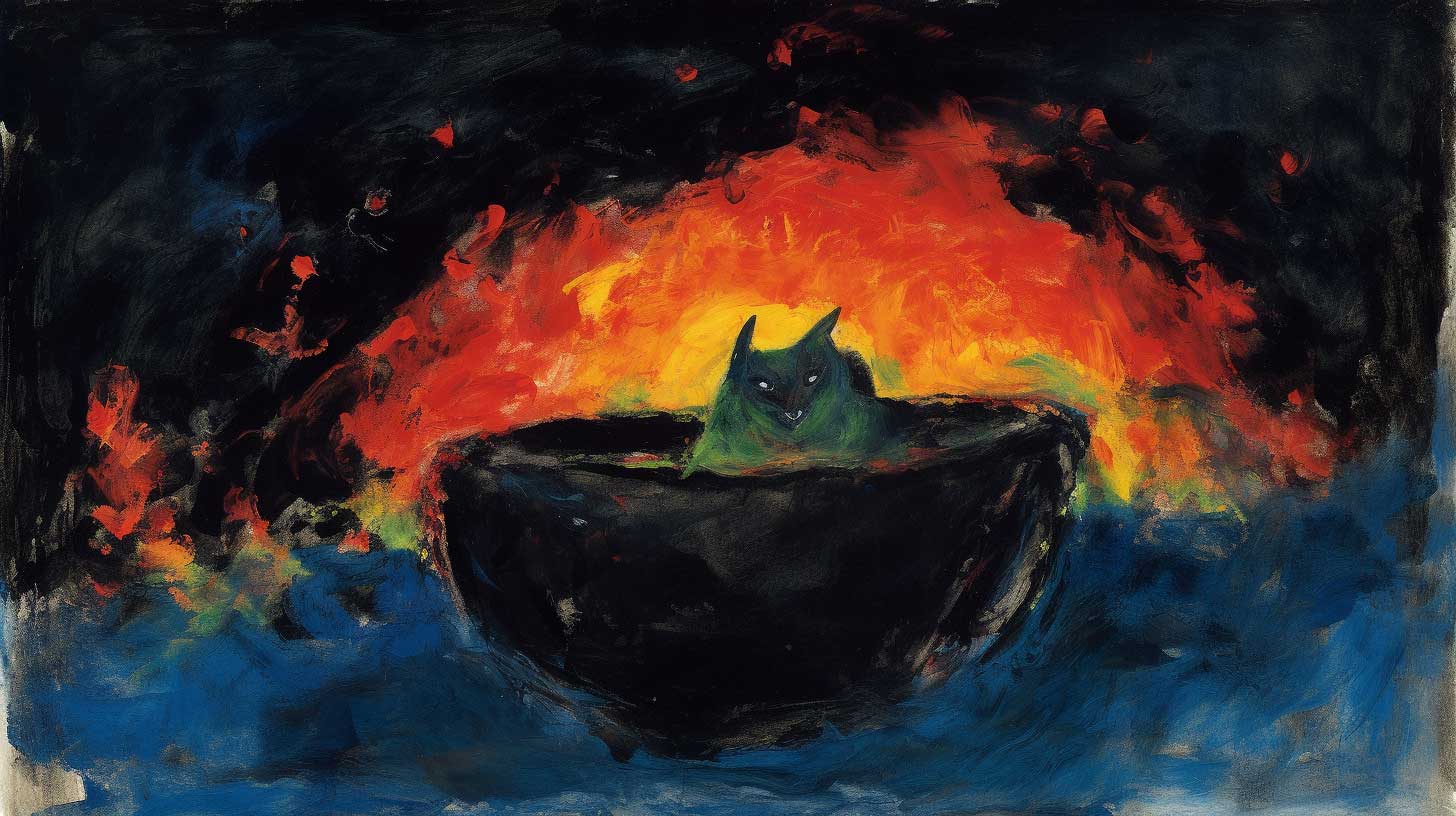
Why the Bat Flies at Night (A Classic Nigerian Fable)
The fable of Oyot the bush rat and Emiong the bat is a traditional Nigerian folktale passed down through generations. This is an adaptation by Juan Artola Miranda.
Once upon a time, in a small Nigerian village, there lived a bush rat named Oyot and his cunning friend, Emiong the bat. Oyot and Emiong were inseparable, sharing a great love for savoury soups and indulging in them often.
One day, while feasting on a delicious soup prepared by Emiong the bat, Oyot the rat couldn’t restrain his curiosity any longer. “My dear friend,” he asked, “how do you make your soups so incredibly tasty?”
Emiong, who harboured a hint of jealousy toward Oyot, decided to play a trick on the rat. “Ah, Oyot,” he said with a sly grin, “the secret lies in my own sweet flesh. I simply boil myself in the water, and my flavor makes the soup truly delectable.”
Oyot listened in amazement and begged Emiong to show him this wondrous technique. Emiong agreed, and together they went to prepare the soup. Before the fire broiled the water, Emiong jumped into the soup, roiling it with his claws to make it seem as if the water were indeed boiling. Oyot was fascinated, staring raptly at this strange feat, but Emiong told him to go set the table. When Oyot left, Emiong jumped out of the now-hot water and quickly finished preparing the soup. It was delicious, though perhaps somewhat muskier than usual.
Eager to replicate Emiong’s culinary prowess, Oyot returned to his home and shared the newfound secret with his wife. He instructed her to boil a pot of water. He would then enhance the soup with his own essence.
As soon as his wife turned her back, Oyot leaped into the boiling pot, believing he would emerge unscathed, as Emiong had. Sadly, Oyot perished in the pot, becoming a true ingredient in the soup. When his wife discovered her husband’s lifeless body, she was filled with grief and anger.
Distraught, she reported the tragic incident to the village king. The king, furious at Emiong’s deception, ordered his subjects to capture the bat and bring him to justice. The villagers set out en masse, searching high and low for Emiong.
Anticipating the trouble that awaited him, Emiong had already taken flight, seeking refuge deep within the bush. For days, the villagers hunted for him, but Emiong remained elusive. Venturing out only in the cover of darkness.
Unable to find Emiong, the bush animals began taking their anger out on the other bats, hunting them down and making delicious soups of them. And so, bats no longer come out during the day.
That reminds me of my favourite African fable, The Snake, the Farmer, and the Heron.
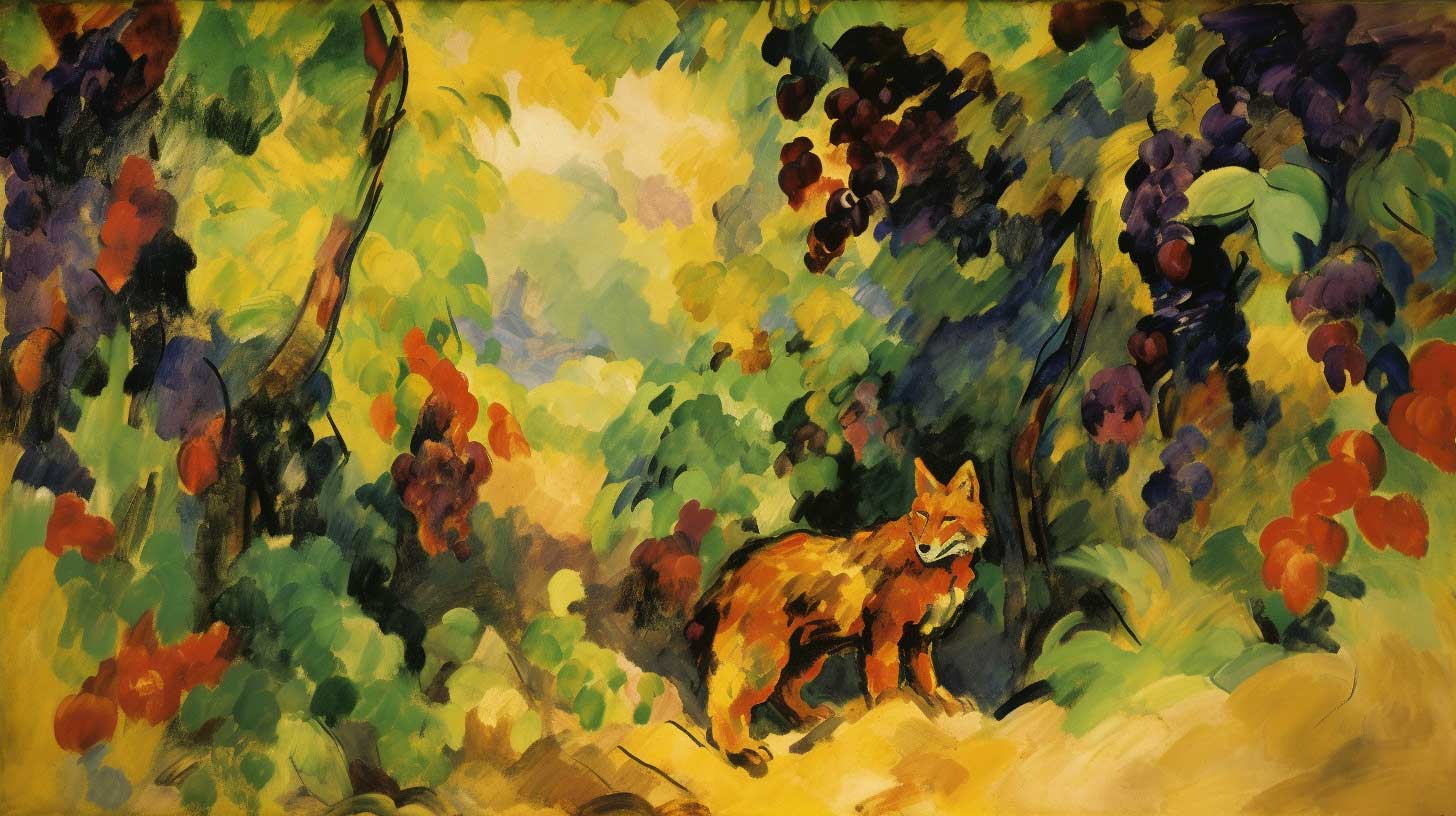
The Fox & the Grapes (An Ancient Greek Fable)
This is an old Greek fable originally popularised by Aesop in 600 BCE. It’s one of the most influential fables of all time, and it gives us the expression “sour grapes.” This is a re-telling by Juan Artola Miranda.
Once, in a lush and verdant forest, there lived a cunning and sly fox. As he roamed beneath the sun-dappled trees, he happened upon a vineyard. The vineyard was laden with ripe and succulent grapes, glistening with morning dew and hanging in bunches from sturdy vines. The sight of such tantalizing fruit made the fox’s mouth water, and he decided that he must taste them.
The fox approached the vineyard and stood beneath the vines, looking up at the grapes just out of reach. He coiled like a spring and then leapt into the air, stretching his paws towards the tempting fruit. Alas, the grapes remained beyond his grasp. Undeterred, the fox leapt again and again, each time jumping higher and reaching further, but to no avail. The grapes continued to taunt him, swaying gently in the breeze as if mocking his efforts.
Finally, exhausted and weary, the fox paused and regarded the grapes one last time. With a flick of his tail and a snort of disdain, he declared, “I am sure those grapes are sour and not worth my time. I shall not waste another moment on them.” And with that, the fox turned and sauntered back into the forest, his pride intact but his appetite unsatisfied.
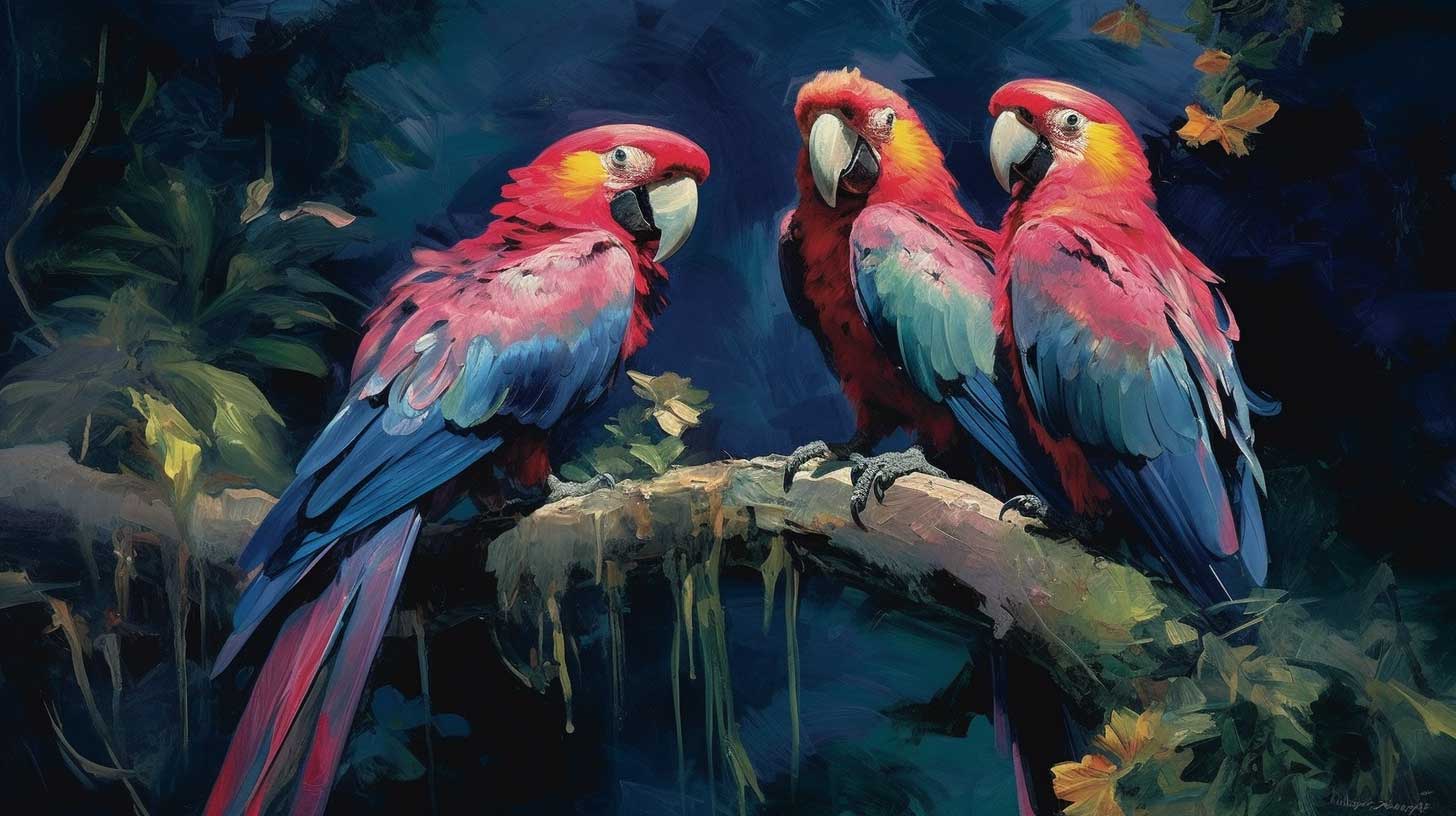
The King’s Parrots (An Old Indian Fable)
The King’s Parrots is a famous parable from the Panchatantra, a collection of Indian fables from the 3rd century BCE. It’s a cynical story about the value of friendship with those less fortunate than ourselves.
This is a retelling in my own words.
Read More
The Clever Jackal & the Lion’s Pride (An Old Indian Fable)
The Clever Jackal and the Lion’s Pride is a famous fable from the Panchatantra, a collection of Indian fables from the 3rd century BCE. This is a re-telling by Juan Artola Miranda. It is about manipulating others by feeding their egos.
A long time ago, in a faraway jungle, there lived a lion with a jackal for a servant. One day, when the lion tried to kill an elephant, he took such cruel wounds that he could not stir a foot. Since the lion could not hunt, there was no food, and the jackal grew weak.
“O King,” said the jackal, “I am tortured with hunger. If I do not eat soon, I will surely perish, and then who will serve you?”
“Good jackal,” said the lion, “search out some animal that I can kill even in my present state. Once we have some food in our bellies, we will be well again.”
The jackal roamed the jungle until he found a frail donkey wandering the outskirts of a nearby village. The donkey was choking over the thin and prickly grass. The jackal approached him and said, “Uncle, my respects to you. It’s been so long since we last met. How have you grown so feeble?”
“What am I to do, nephew?” the donkey answered. “My master is merciless, torturing me with dreadful burdens and never sharing even a handful of fodder. I eat nothing but this prickly grass seasoned with dust.”
“Well, uncle,” said the jackal, “I know a lovely spot by a river, covered with emerald grass. Come and live with me. I promise you the pleasures of good meals and witty conversations.”
“Very well said, nephew,” answered Flop-Ear, “but village beasts are likely to be killed by forest animals. So what good is your charming spot to me?”
“Well,” said the jackal. “There are three unmarried she-donkeys who were tormented just like you. They are young and frisky, and they have grown plump. The other day, they said to me: ‘Uncle dear, go to some village and bring us a proper husband.’ That is why I came to fetch you.”
When he heard the jackal’s words, the donkey’s limbs quivered with lust. He said, “In that case, my dear sir, lead the way. We will hurry there.”
So the poor donkey went with the jackal into the lion’s den. However, the lion was dreadfully overeager. When the donkey drew near enough to pounce upon, the lion roared, leaped over him, and landed on the other side. It was dark in the den, and the donkey could not sense what was happening. In his panic, somehow, he escaped unharmed. Terrified, he fled back to the village.
“That was most strange,” the jackal told the lion. “I saw your heroic effort. Has your body regained strength, or your mind lost its reason?”
The lion was dumbfounded. “Perhaps my legs expected an elephant.”
“Have your legs prepared next time,” the jackal replied. “I will bring him to you again.”
“My dear fellow,” said the lion, “the donkey witnessed my fearsome performance and escaped. How can he be lured here again? Bring me some other, taller animal.”
But the jackal said, “The donkey is as not perceptive as you think, and besides, I have a plan.” So the jackal followed the donkey’s tracks and found him grazing in the old place.
When the donkey saw the jackal, he said, “Well, nephew, it was a charming spot you took me to. I was lucky to escape with my life! Tell me, what was that horrible creature?”
The jackal laughed. “Uncle, that was a she-donkey, horribly lovesick. Upon seeing you, she cried out in passion and rose up to embrace you, but you were shy and ran away. Now she says, ‘If that donkey does not marry me, I will plunge into fire or water or eat poison.’ It is all quite dramatic. So have mercy and return. If not, you will be a murderer.”
So the donkey, persuaded by this reasoning, followed the jackal back into the jungle and once more came into the lion’s den. The lion’s ego was wounded when he saw the lion strutting in with such confidence. Nevertheless, the lion had prepared his legs beforehand, and he killed the donkey with ease.
The lion, now red, went to the river to make himself yellow again. While the lion was away, the greedy jackal ate the donkey’s eyes and ears. When the lion returned, he was furious. “You scoundrel!” he bellowed. “What is this unseemly deed? You have eaten the eyes and ears, leaving me nothing but leftovers!”
“O King,” said the jackal respectfully, “if the donkey had eyes or ears, how could he come here, see you with his own eyes, hear you with his own ears, flee, and then decide to return?”
The lion’s pride was mended. He ate his share of the donkey without suspicion.
There is another fable, a darker one, from this same jungle. It is about a Frog King who seeks the help of a wicked snake.

The Frog-King & the Handsome Snake (An Old Indian Fable)
The Frog-King and the Handsome Snake is a famous fable from the Panchatantra, a collection of Indian fables from the 3rd century BCE. This is a re-telling by Juan Artola Miranda. Some believe it to be a cautionary tale about losing control, biting off more than you can chew.
There was once a frog king who lived in a well. Day after day, his relatives tormented him, robbing him of every single moment of happiness. Soon, it was more than he could bear, so he jumped from bucket to bucket up the water wheel until he emerged into a beautiful and perilous jungle.
He had escaped his tormentors, but that was not enough. He wanted revenge. And, as luck would have it, at that very moment, he saw a handsome black snake slithering into a hole.
The frog king knew himself to be a tasty snack for a snake, but he was unafraid, for he had a much more appetizing offer to make. He went to the mouth of the hole and called, “Come out! Come out, handsome snake! Come out!”
When the snake heard this, he was suspicious, for it was not the voice of a serpent that called to him, but a pleasantly regal voice. So he asked, “Who are you?”
“I am a frog king, and I have an offer to make you.” The snake slithered back out of his hole, intrigued.
The frog king took Handsome to the well, settled him in a comfortable crevice, and showed him the relatives. The snake ate them all, one after another, as the frog king watched in delight. After finishing the relatives, the snake was still hungry, so he ate a few of the frog king’s friends.
The handsome snake told the frog king he needed more food. Otherwise, he would be forced to eat the remaining frogs. The frog king was sickened by the thought of his friends being eaten, but he had no way to get rid of the snake.
The frog king tried to minimize the harm, allowing the snake to eat just one frog each day. But sometimes the snake ate more, and there was nothing the frog king could do to stop him.
One day, the snake ate the frog prince, and the frog king wailed at the loss of his only son. The frog queen was overcome by grief, and now it was her turn to yearn for revenge. She begged the king to scheme up a way to kill the snake.
The snake continued eating frogs, one by one, until none were left. None except for the frog king. So the handsome snake asked the king for more food, and the king promised to bring frogs from other wells. He could trick them into coming, he said.
The king jumped from bucket to bucket until he emerged from the well once more. This time, he decided not to return.
This reminds me of another dark fable from this same jungle. This one is about a Tortoise who couldn’t keep his mouth shut.