
Fables
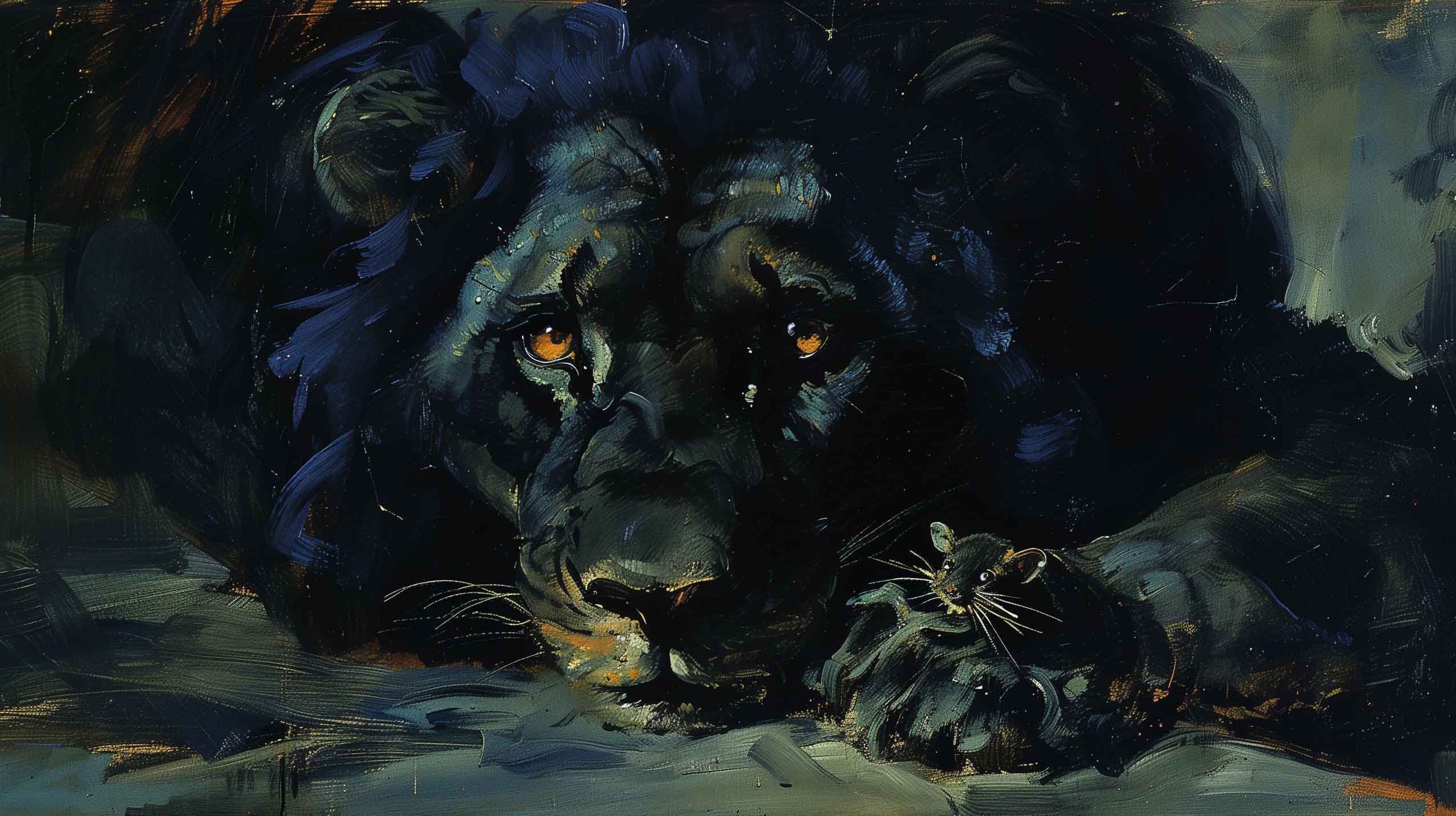
The Lion and the Mouse (Aesop’s Fables)
The Lion and the Mouse is one of Aesop’s most famous fables. This version comes from the medieval French monk Adémar de Chabannes. He was likely translating a much earlier version recorded by Phaedrus, a former Roman slave from the first century BCE.
The fable is usually used to preach kindness to the weak, but it goes a bit deeper than that, especially when considered in the context of other fables. I’ll explain that at the end.
As is tradition with fables, this is a retelling in my own words.
The Fable
A lion was taking a nap under the shade of a large tree when a mouse accidentally ran over his tail. The Lion woke with a start and pounced upon the pitiful mouse.
The tiny Mouse, quivering in terror, begged the lion for mercy. The lion was hungry, be he saw no honour in killing such a wretched little creature, so he forgave the mouse and let him go.
Sometime later, the lion fell into a hunter’s trap. The net was strong and the Lion was unable to break free. The mighty lion, trembling with fury, asked the hunters for mercy. The hunters were amused by the idea of setting such a ferocious creature free. They laughed and did not let him go.
The mouse heard the lion’s roar and rushed over and found the lion trapped. That night, he scurried quietly beneath the net and gnawed at the ropes with his sharp teeth, freeing the lion.
The lion leapt into the hunters’ camp, making a feast of them.
The Moral
The Lion and the Mouse has a few moral lessons you could pin to it. The first is that we should never harm the small or the weak. The second is that kindness is never wasted.
Aesop has another fable about animals helping each other escape hunters, giving us another moral: even simple creatures consider each other’s plights and come to one another’s aid. I’m not sure that happens very often, but so it was said.
These are optimistic fables. Kindness is repaid, cruelty is punished, and all is right in the world. It feels just and satisfying. You might even get the impression that all fables are this way. But many are far more cynical, such as The Snake, the Farmer, and the Heron and The Mongoose and the Farmer’s Wife.
In fact, Aesop has another fable about a mouse and a lion (first recorded by Babrius): The Mouse and the Lion’s Mane. In this other story, a mouse scurries over the lion’s mane, and the lion leaps up, all the hairs on his body standing on end, and devours the mouse. A fox sees this and laughs at the lion for being startled by a harmless mouse. The lion explains that he wasn’t worried that the mouse would hurt him, but he had to check the bold advances of the insolent creature, lest the other animals learn to treat him with disrespect.
The lion is a recurring character in these fables. I recommend reading some of the lesser-known ones, like The Monkey and the Lion’s Breath. Or, for a more modern fable, try The Fox, the Duck, and the Lion.
Thoughts? Questions? Drop a comment below.
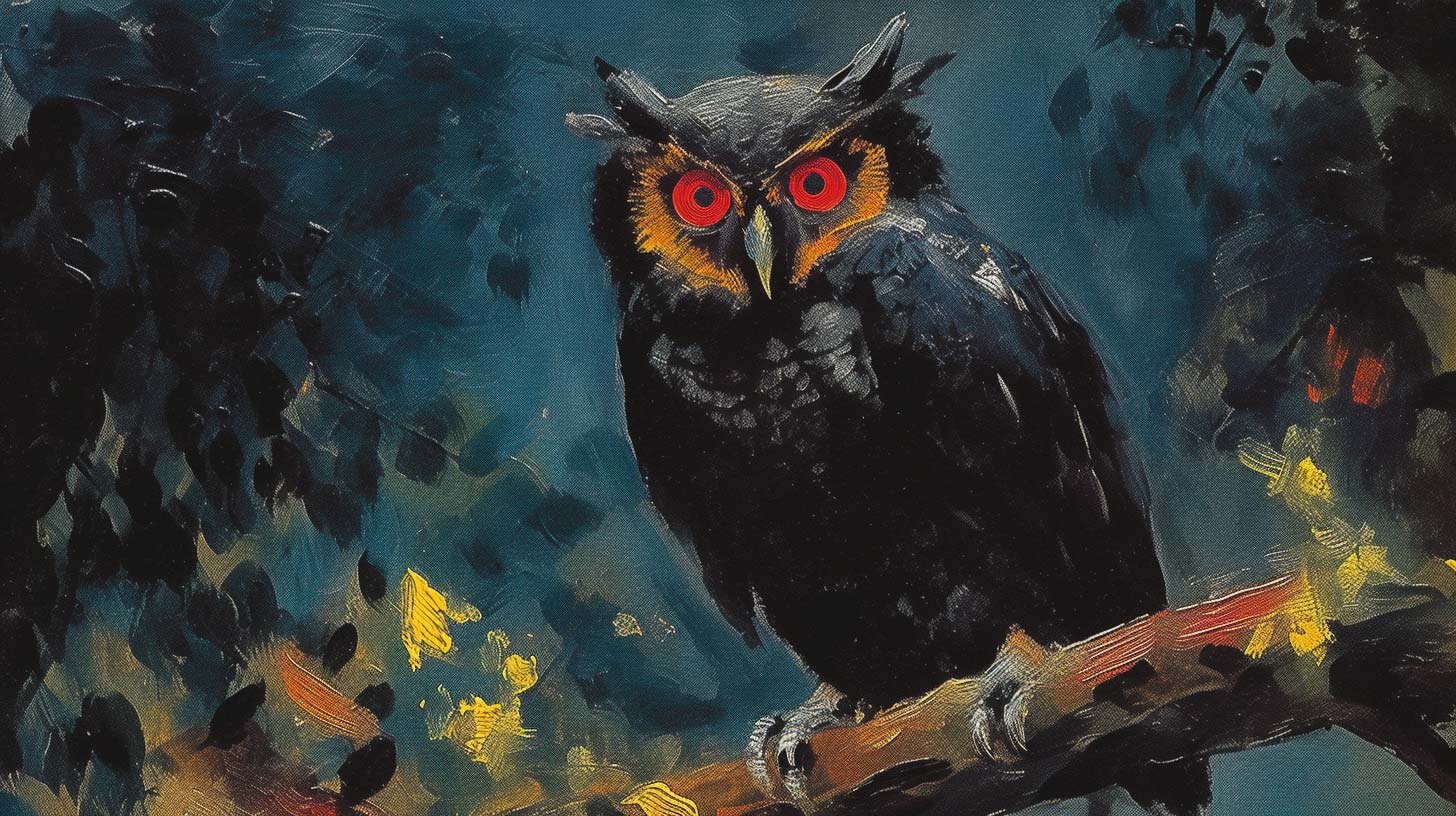
The Owl & the Grasshopper (Aesop’s Fables)
The Owl & the Grasshopper is one of Aesop’s fables, written in the 5th century BCE. There have been many versions told since then. This is one of those retellings, in my own words.

A long time ago, in an ancient jungle, there was a wise old Owl. The Owl had a daily routine: she would sleep during the day and hunt during the night. One day, a Grasshopper moved into the tree where the Owl lived.
The Grasshopper had the annoying habit of singing all through the day, disturbing the owl’s precious sleep. The Owl asked the Grasshopper to sing softly, explaining her need for daytime rest, but the Grasshopper paid no heed and continued to sing.
After many sleepless days, the Owl was losing her mind. She could not bear the incessant singing any longer, so she invited the Grasshopper over for dinner, saying, “I have heard that you have a beautiful voice, and I would love to hear you sing under the moonlight.”
The Grasshopper was flattered by the compliment and agreed to put on a performance. However, when he arrived that night, the Owl gobbled him up.
The Moral: Flattery is not proof of admiration. Do not let it throw you off your guard.
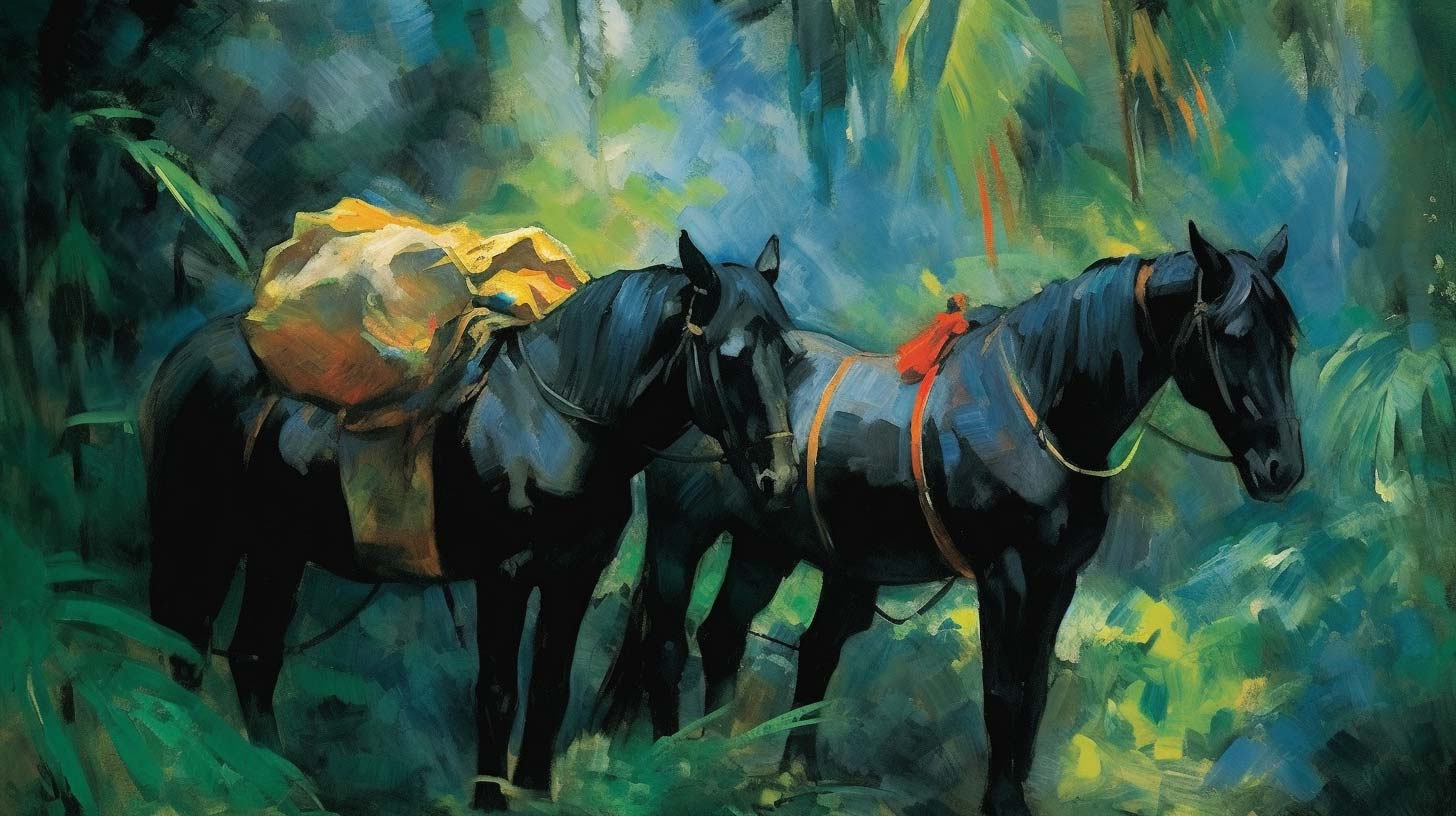
The Two Horses (Leo Tolstoy Fable)
The Two Horses is a dark fable written by Leo Tolstoy in 1880. Tolstoy is famous for writing War & Peace and Anna Karenina, two of the most common methods of torture inflicted upon high school students, but he also wrote a book of fables to scare younger children. This is a retelling in my own words.
A long time ago, in a small village, there lived two packhorses named Lightning and Thunder. They both belonged to a diligent herder who relied on them to carry his furs to the market.
Lightning, the front horse, was quiet and hardworking. He constantly put forth his best effort, pulling his own weight and more. Thunder, the hind horse, was loud but lazy. He did as little work as he could get away with, and he often lagged behind. Observing this, the herder transferred the load from Thunder to Lightning so that they might move more quickly.
Thunder, relieved of his burden, trotted along leisurely. He laughed at Lightning, saying, “Work hard and sweat, Lightning! The more you strive, the more they’ll make you work.”
After a tiring day, they arrived at the tavern. The herder, noticing the disparity in effort between his two horses, contemplated, “Why should I feed two horses when only one does the work? It would be more sensible to feed Lightning well and do away with Thunder.”
And so it came to pass that Thunder found himself made into a fine fur cloak.
Moral: Those who make themselves redundant are no longer needed. Or, in different circumstances, they become free.
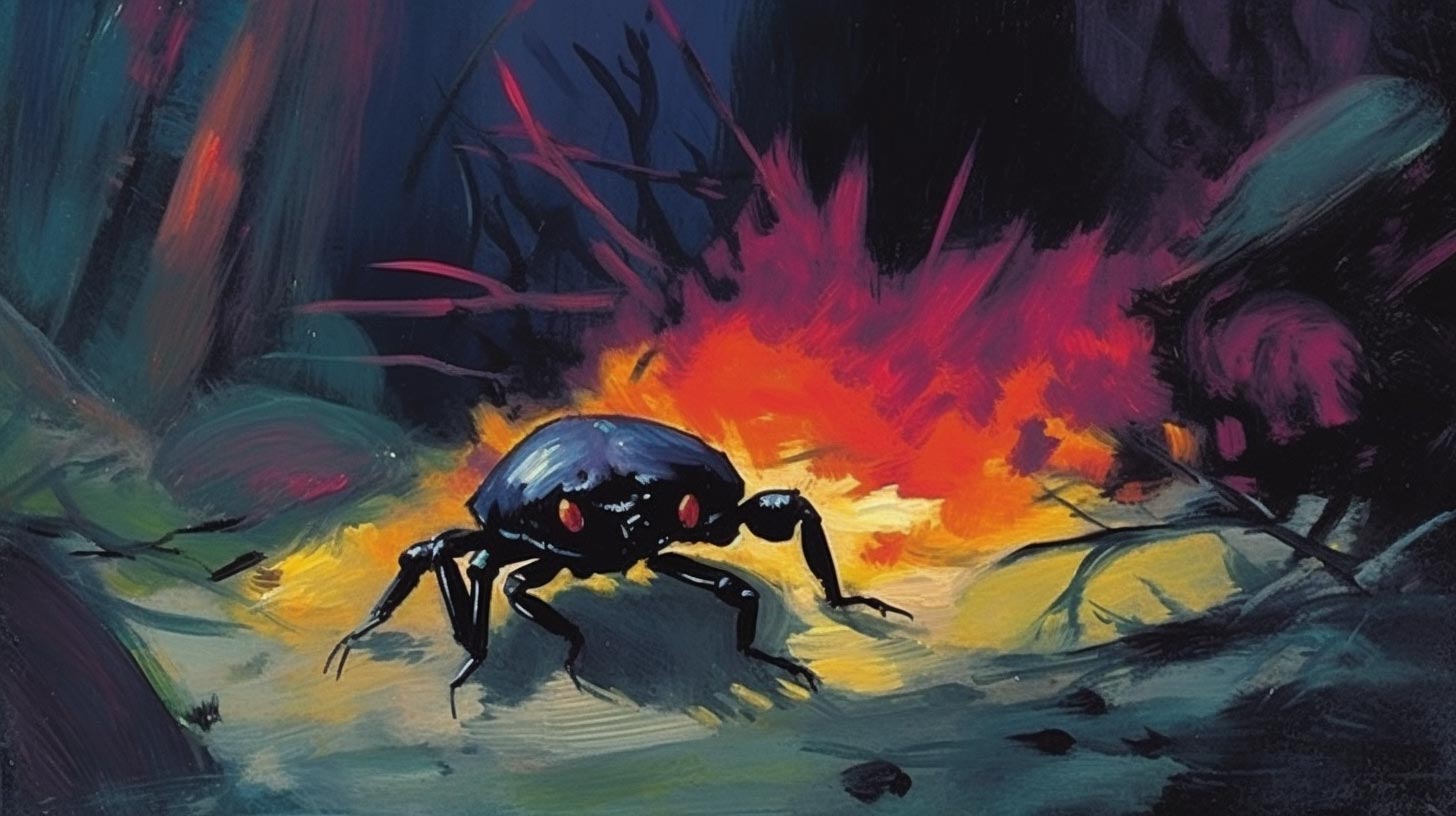
The Crane & the Crab (Buddhist Fable)
The Crane and the Crab (Baka Jataka) is an old Buddhist fable that has been told for thousands of years to warn about the dangers of deceit. It serves as a warning both ways, with the deceived and deceiver both suffering a grim fate.
A long time ago, in a desolate wasteland, a crane could find no food to eat. He took flight, journeying over the barren land, until he came upon the Old Jungle. There, nestled between the palms, he found a shimmering pond teeming with fish.
It was the peak of summer, and the pond was low on water, revealing the fish swimming just below the glassy surface. Unaware of the crane’s predatory nature, the fish took shelter under his shadow, blissfully ignorant of his hunger. They must not have known what he was.
The crane, readying himself to spear a fish with his beak, paused. A thought had struck him. If he feasted upon one fish, the rest would scatter in fear, and it would be much harder to catch the others.
Noticing that the crane had become lost in thought, one of the larger fish asked, “Why are you so troubled, noble lord?”
“I am thinking about you,” the crane replied, scheming up a cunning plan. “The water in this pool is low, the food is growing scarcer by the day, and from my higher vantage point, I can see the water evaporating in the summer heat. I was wondering to myself, how will you survive?”
“And what are we to do, my lord?” said the fish.
The crane, with his plan now fully formed, proposed, “I could transport you all to a larger pool, flourishing with all five kinds of lotuses. A sanctuary where you could thrive. However, the journey is long, and I can only carry one of you at a time. It will take many day bring you all.”
The large fish shared the crane’s story with the others, and they all grew eager to journey to the promised land. Every morning, a fish would swim into the crane’s beak, and the crane would take it to a deserted area and gobble it up. He did this for many moons until the day arrived when there were no fish left, only an irascible hermit crab.
Approaching the crab, the crane suggested, “Honorable crab, I have relocated all the fish to a vast pool, covered all over with lotuses. Come along. I will take you, too.”
The crab asked, “How do you plan to carry me?”
“In my beak,” the crane replied.
“Ah, but my shell is hard and slippery.
The crab, cautious by nature, proposed an alternative, “My shell is tough and slippery. If you carry me in your beak, I could fall. I had better hold onto your neck instead. I have an astonishingly strong grip.”
“Very well,” said the crane, bending over to let the crab grab on. But as the crane flew over the deserted area, the crab saw the skeletons of all the fish the crane had eaten.
The crab had prepared for this. “If I die, you will die with me,” he said. “I will sever you head from your body.” And with that, he tightened his grip on the crane’s neck.
Terrified, the crane had no choice but to continue onwards, a very long way, until he finally found a deep pool of fish shaded by every type of lotus. The crane set the crab down hurriedly in the water, eager to be rid of him. But instead of releasing the crane from his grip, the crab nipped his head clean off.
You know, there is another Eastern fable you might enjoy about a Mongoose and a Farmer’s Wife.

The Ant and the Grasshopper (Aesop’s Fables)
The Ant & the Grasshopper is one of Aesop’s most enduring fables. It’s about working hard and setting aside savings, but the moral lesson is controversial. You’ll see why. I’ll explain it at the end.
The version we know today is a combination of two slightly different fables: The Ant and the Dung Beetle and The Ant and the Cricket. Since they’re almost the same, I’ve combined them.
As is tradition, this is a retelling in my own words.
The Fable
A long time ago, a grasshopper was hopping about, chirping and singing. An ant passed by, carrying an ear of corn to his nest.
The grasshopper thought the ant was a wretched thing, labouring away in the heat, never taking a moment’s rest. We only have so much time alive. What a miserable way to spend it.
“Why not come and dance with me,” asked the grasshopper, “instead of toiling your days away?”
“I am collecting food for the winter,” said the ant, “and I recommend you do the same.”
“Why bother about winter?” said the grasshopper; “It is summer, and we have plenty of food.” But the ant went on its way, continuing his work.
When winter came, the ground was covered with snow. The grasshopper was hungry, and there was no food to be found. So he went to the ant and asked, “What shall I do? I have no food!”
The ant replied, “You spent the summer frolicking about without a thought for the future, while I toiled to store up this food. You sang and danced while I worked. I’m afraid you’ll have to go hungry.”
The Moral
The moral of The Ant and the Grasshopper is that we ought to work instead of indulging in foolish pastimes. Said another way, we shouldn’t neglect tasks that will become important in the future.
This moral lesson is controversial. It seems perfectly sensible at first glance, but the ant’s greed and lack of compassion also makes it somewhat like the billionaire or public corporation that relentlessly accumulates needless amounts of wealth while others starve. Or you could say that the ant represents a work culture of slaving our days away, with never a moment for joy or relaxation, in a world where the costs of living are constantly inflating.
It can also seem insensitive and out of touch. “Poor?” asks the smart, healthy, competent, and well-educated millionaire. “Well then you should have worked harder.”
Lest this seem like a condemnation of capitalism, you could argue against the ant from a capitalist perspective, too. Imagine someone slaves all their days away, setting aside their savings, and then someone with more power (such as the government) comes along and redistributes their wealth. That’s what happened to my grandmother during the communist revolution in Cuba.
So, as you can imagine, there are fables rebutting this one:
- In Zeus and the Ant, recorded by the 19th-century French fabulist Émile Chambry, a farmer becomes obsessed with accumulating wealth, doing everything he can to gain as much as possible. Zeus punishes him by turning him into an ant, but he continues.
- In The Ants and the Pigs, by the medieval Christian monk Odo of Cheriton, a pig comes along to eat all the grains the ant has collected, leaving the ant to starve.
- In Solomon’s Ghost, by the German fabulist Gotthold Ephraim Lessing, a farmer takes inspiration from the ant and works hard all his life. When he is old, a ghost comes to him, reminding him that the ant rested during the winter. The farmer has enough. He doesn’t need to keep accumulating more.
- In A Tale of Two Orangs, a modern Mexican fable, one orang spends his days trying to gain power while the other collects resources. When famine comes, the powerful orang takes the resources of the wealthy one.
I love this, by the way. I love how there are fables written thousands of years apart, in different languages, on different continents, forever arguing with each other.
Similar Fables
If you like these controversial fables, there are a few more that come to mind. The first is The Donkey and the Onager, a set of two fables about freedom, one arguing for it, the other against. There’s also The Mongoose and the Farmer’s Wife which argues against older fables like The Wolf and the Lamb.
Or, for something rather different, you could try The Eagle and the Fox.
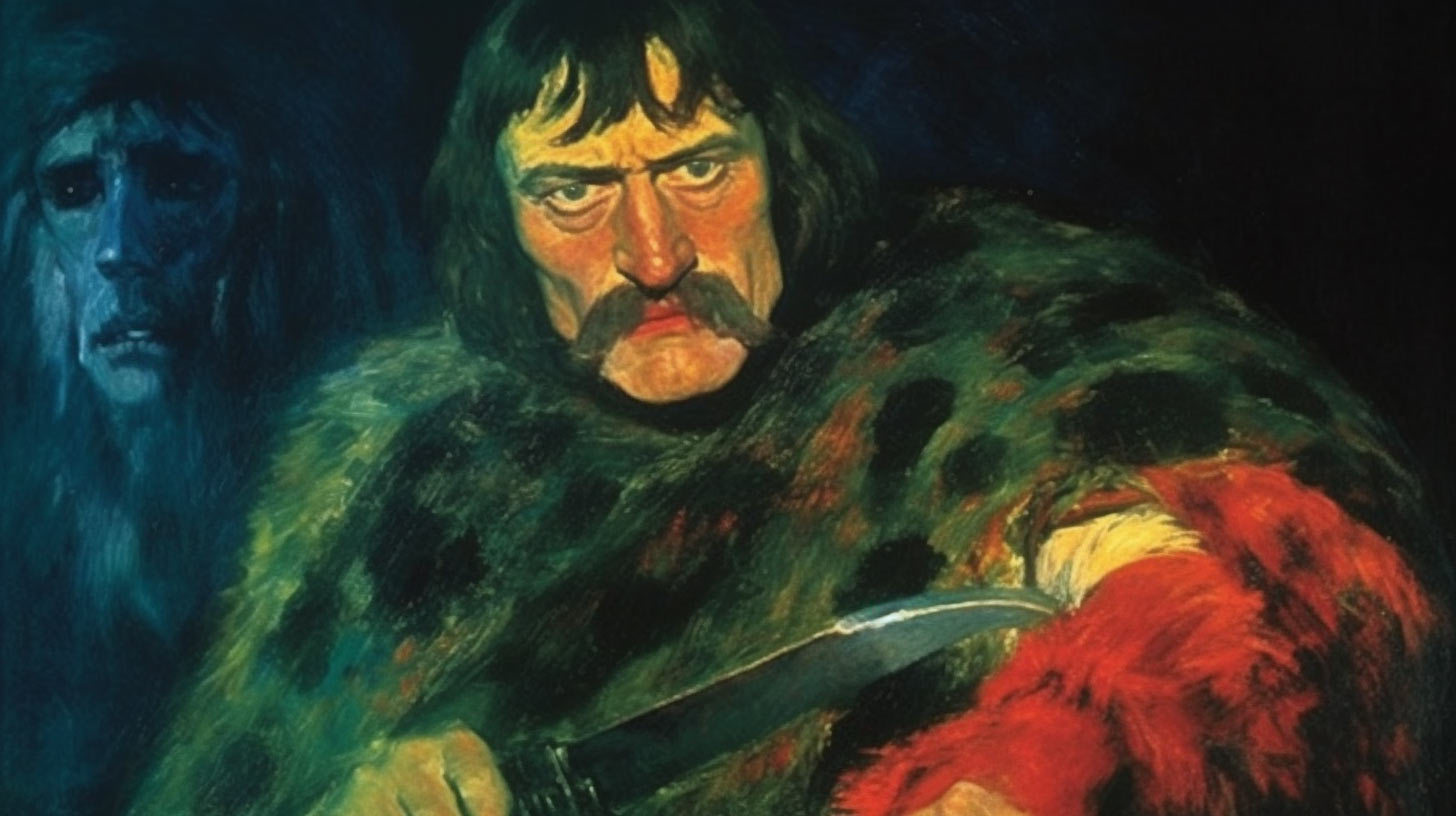
A Tale of Two Orangs (Mexican Fable)
A Tale of Two Orangs is a fable I wrote after reading The Ant and the Grasshopper by Aesop. It tells us we should prepare for the worst, and there’s wisdom in that, to be sure. But how could a small ant refuse the demands of a large grasshopper? I had to write a rejoinder.
A long time ago, when the jungles were lush and green, there were two orangs, Boriol and Fariol. They roamed the land together, hunting for fruits and nuts, diving for crayfish and oysters, and gathering herbs and spices. They shared their spoils equally, but they had different habits when it came to eating.
Boriol had an eager appetite, gobbling up his entire share of food as soon as he got it, filling his face and swelling his belly. Fariol was prudent and temperate, eating only enough to satisfy his hunger, saving the rest in a secret stash.
Alas, a terrible drought struck the land. The rivers dried up, the plants withered, and the animals fled or died. Food became scarce and precious. Boriol, who had saved nothing, found himself with nothing to eat.
Fariol fancied himself fortunate, for he had amassed a rich hoard of nuts and seeds and jerky. That is, until Boriol knocked at his door, demanding a share of the food. Boriol was a large and fearsome man. Fariol had little choice but to comply with his demands, giving away half of what he had.
The drought lasted for a long time. When the rain came again, Boriol was much thinner than before, having survived for months on just his body fat. With great regret, he buried Fariol’s bones beneath the palapa they used to sit under together.

The Scorpion & the Frog (Russian Fable)
The Scorpion and the Frog is a modern Russian fable, originally appearing in Lev Nitoburg’s 1933 novel, The German Quarter. It’s based on the old Persian fable The Scorpion and the Tortoise.
This Russian retelling is darker, changing the moral lesson. I’ll explain what it means at the end. It’s one of those fables with a few layers of depth.
Read More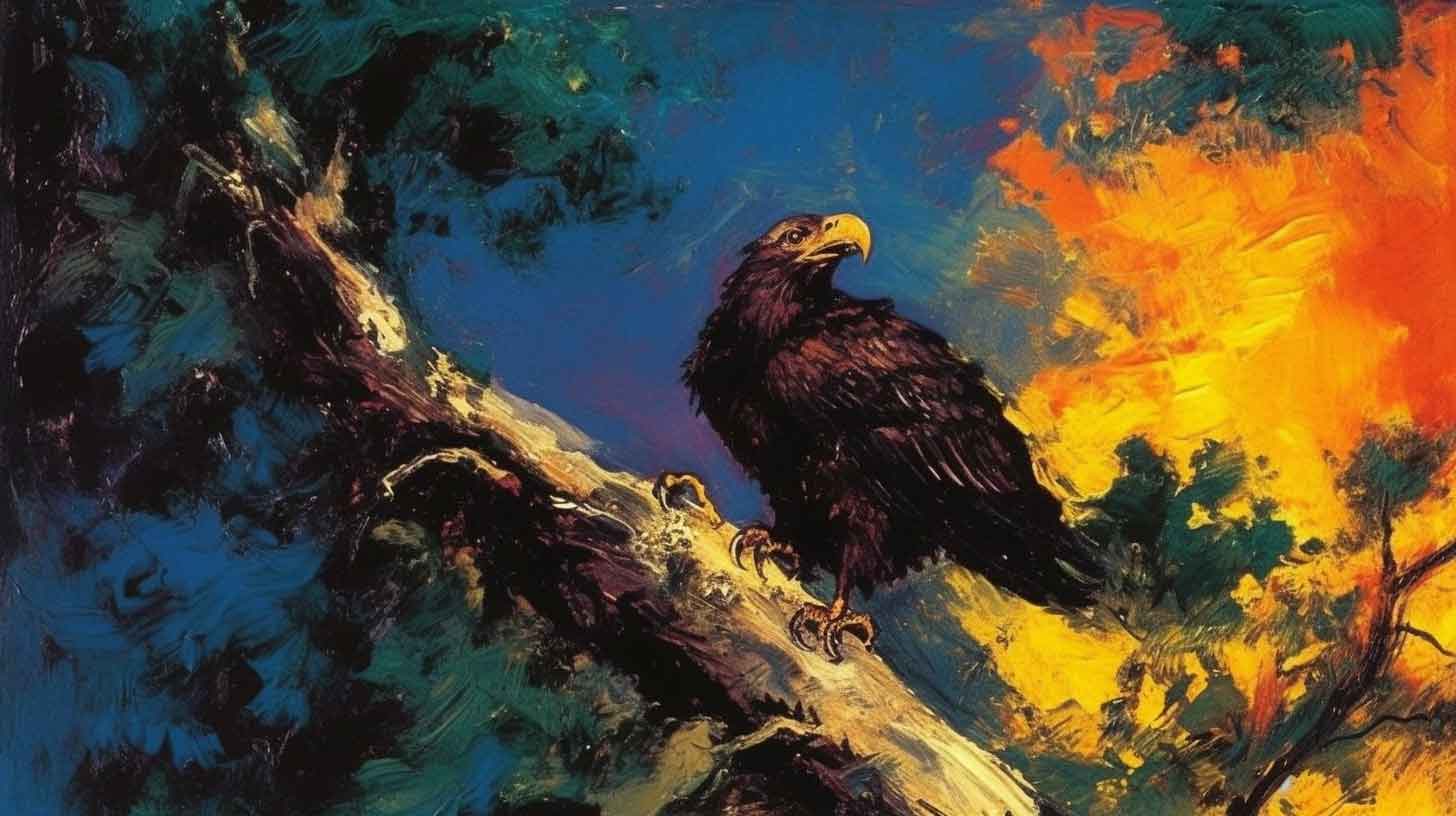
The Eagle & the Fox (Aesop’s Fables)
The Eagle and the Fox is a dark fable by Aesop (5th century BCE). There have been many versions since then. This is one of them, in my own words.
Once upon a time, in a forest broad and deep, an eagle and a fox lived as friends. The eagle had built her nest high in a tall tree, while the fox had dug her den under the roots.
One day, the fox went out to hunt, leaving her young cubs under the watchful eye of the eagle. Seeing her friend absent and an easy meal available, the eagle swooped down and snatched the cubs, taking them up to feed to her fledglings.
Returning from her unsuccessful hunt, the fox saw the desolation of her home and heard the anguished cries of her cubs above. She implored the eagle, “Return my young ones to me! It is unjust to prey upon your neighbor’s family!” But the eagle, her eyes gleaming from the high branches, was deaf to the fox’s pleas.
Burning with anger, the fox devised a plan. She went to where the men were sacrificing a goat in the fire. She slipped through the dancing shadows and the dancing men, and she dashed off with a burning branch between her teeth.
She set the branch down at the base of the tree, and soon it began to burn. The eagle could do nothing but watch as the fire consumed her home and her children. As the nest burned, the roast chicks tumbled down. The fox caught them in her mouth one by one, savouring her victory.
It is a dark tale, I know, and there are more. The next fable is about a Wolf and a Lamb.

The Wolf & the Lamb (Aesop & Jean de La Fontaine)
The Wolf and the Lamb is a dark fable originally written by Aesop (4th or 6th century BCE), then later by Jean de la Fontaine (17th-century AD), and finally by Juan Artola Miranda (now).
Eli Siegel, a renowned poet, called it one of the “cruellest instances of literature,” saying, “The unconscious tendency of making our wants the same as universal justice is the ugliest adjunct of the heart of man.”

A long time ago, on the banks of a tranquil stream, a thirsty little lamb was taking a drink. Further upstream, a hungry wolf also came to have a drink, his eyes fixed on the innocent lamb.
The wolf was hungry, and the lamb looked good to him, but to kill an innocent lamb would be immoral, and he would not do it. Instead, he called to the lamb, “How dare you muddy my drinking water. You’re making it unfit for anyone to drink!”
The trembling lamb replied, “Oh, sir, I mean no offense. But considering the flow of the stream, from you to me. It’s impossible for me to disturb your drinking water.”
The wolf, frustrated by the lamb’s insolence, put forth another accusation. “Last year,” he growled, “you spread rumours of me to the other sheep, causing them to flee whenever I approach.”
“But sir,” the innocent lamb bleated, “I was not even born then.”
With his hunger gnawing at his belly, the wolf waved away the lamb’s excuse, “It must have been your father then, and so you bear the guilt as well.”
And with that, the wolf pounced righteously upon the lamb.
A horrible end. I cannot promise any different in the next one, a fable about the North Wind and the Sun.

The North Wind & the Sun (Aesop’s Fables)
The North Wind & the Sun is one of Aesop’s fables, originally written nearly 3,000 years ago, and likely passed by word of mouth before then. This version is by Juan Artola Miranda.
The North Wind and the Sun were disputing who was stronger when they saw a traveller walking down the road, wrapped in a warm cloak. They decided to settle their argument by seeing which one of them could make the traveller remove that cloak.
The North Wind went first, blowing fiercely against the traveller. The wind’s cold reaching fingers tore at the cloak, but the traveller only clutched it more tightly around himself, trying to keep warm against the chilling blasts.
Seeing that the North Wind had failed, the Sun took its turn. It shone gently upon the traveller, casting a warm and pleasant glow. As the Sun’s rays grew warmer, the traveller began to feel the heat. He loosened the grip on his cloak, and as the Sun continued to shine, the traveller grew more and more comfortable. Eventually, he removed the cloak entirely, as he no longer needed it to shield him from the cold.
The North Wind had to admit defeat, realizing the Sun’s gentle warmth had succeeded where its fierce gusts had failed.
The moral of the story is that gentle kindness is often more effective than aggressive force. On the other hand, had the sun cast his full fury upon the poor man, he would have removed his cloak all the quicker.
This reminds me of another fable. There is one about a clever fox who fell into a well.